12 Months on Film: February in Black and White on the Snapic A1
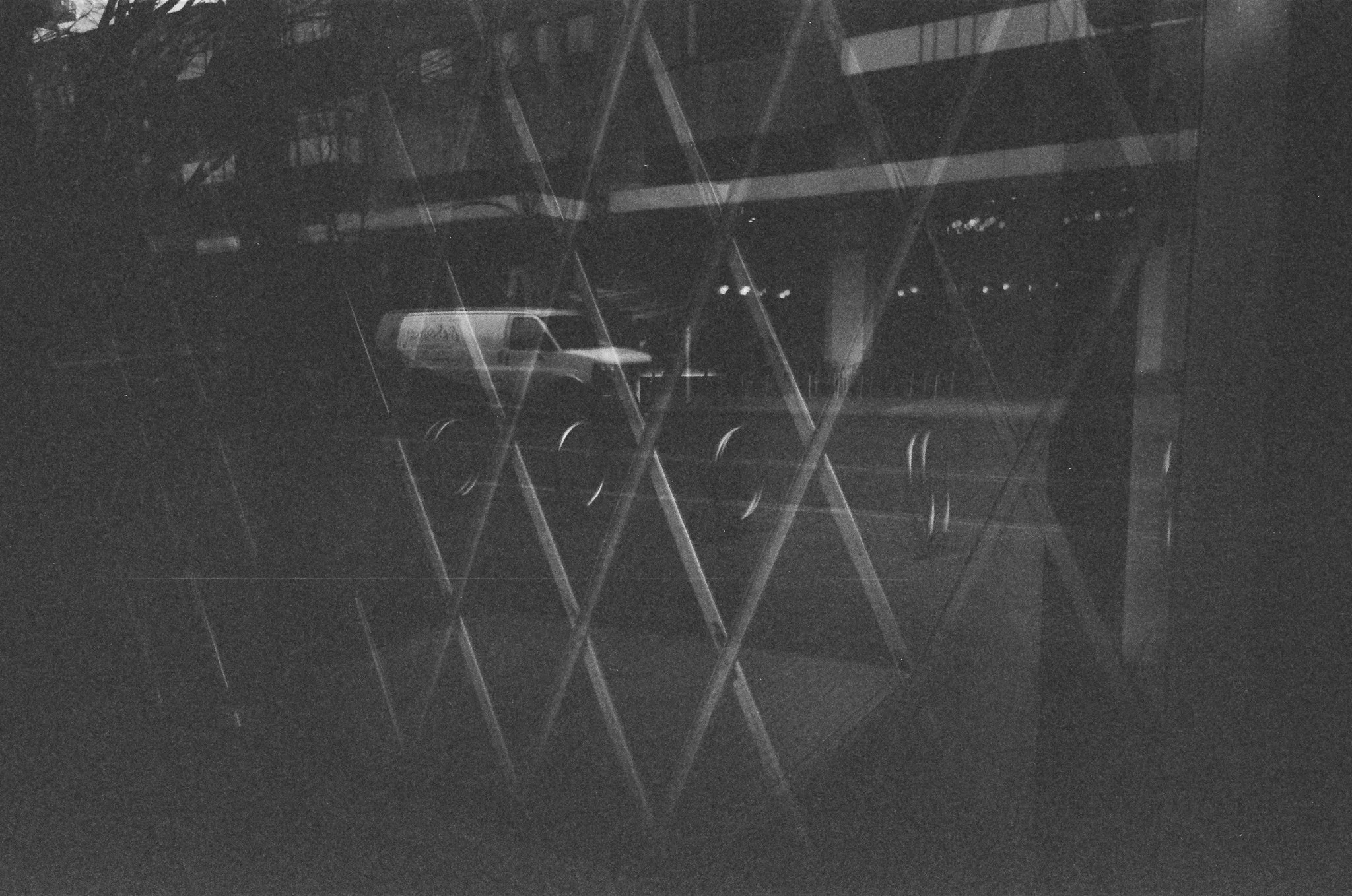
I couldn’t resist buying the Kodak Snapic A1. At just $99, this little pocketable point-and-shoot is a massive step up from its sibling, the RETO UWS, mostly due to its 25mm glass lens which gives shots a beautiful, sharp clarity while keeping all that classic analog aesthetic. It handles the film loading and winding automatically, has a quick dual-zone focus switch, and even lets you shoot double exposures with the click of a button. Since the shutter and aperture are fixed, it definitely thrives in bright, outdoor light, but it has proved to be a incredibly fun, worry-free camera to throw in my bag for everyday frames.
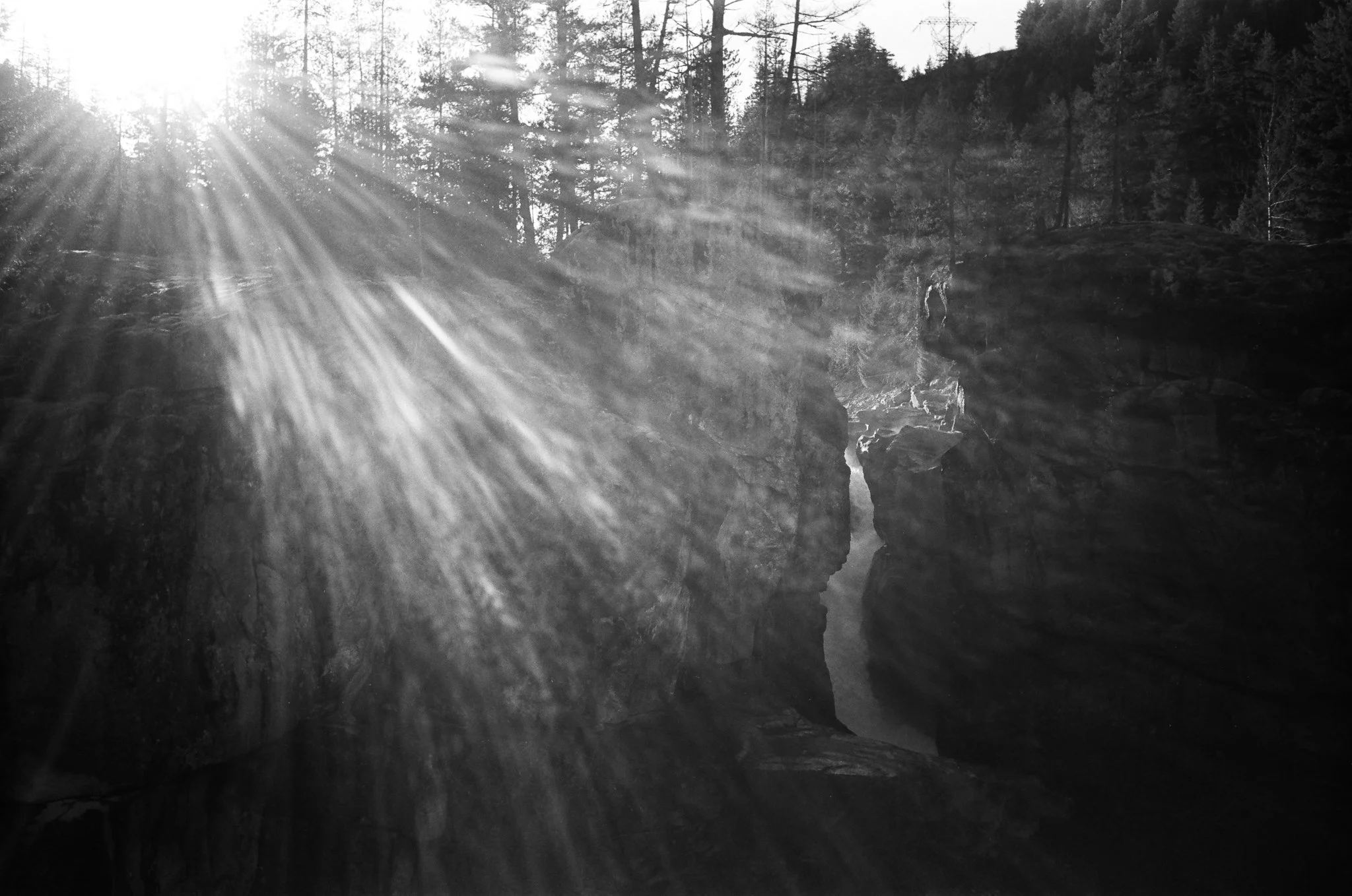
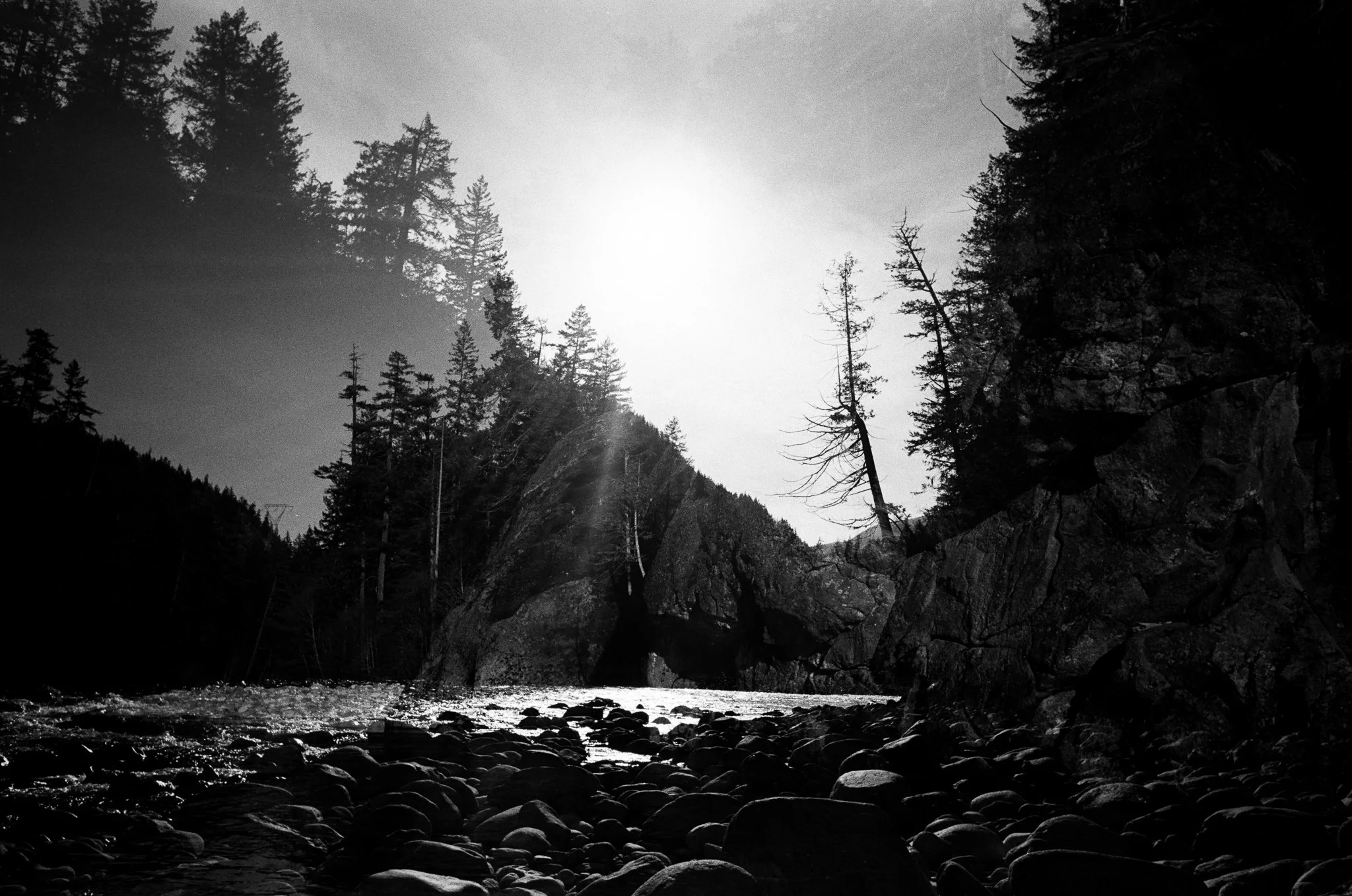
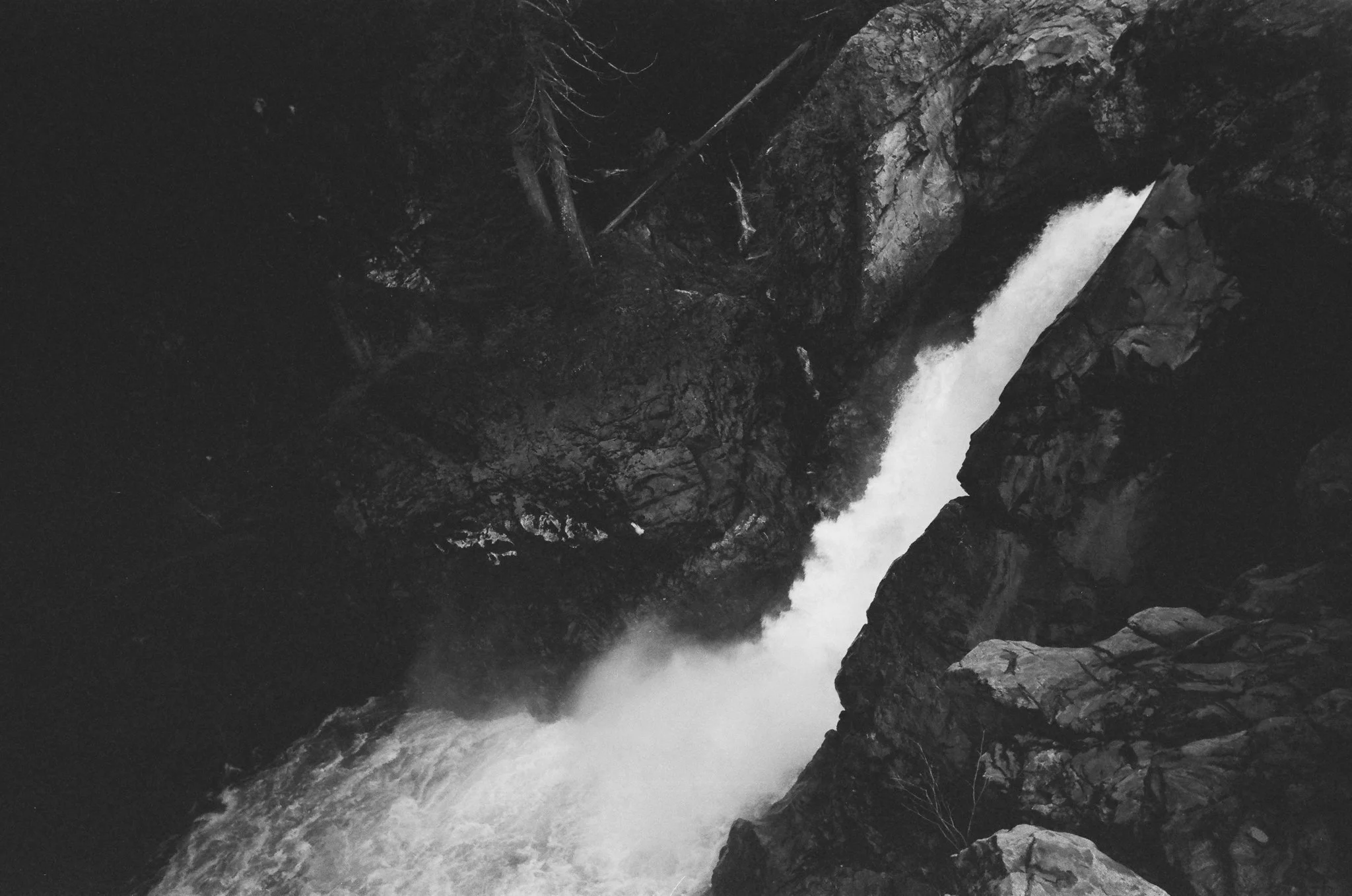
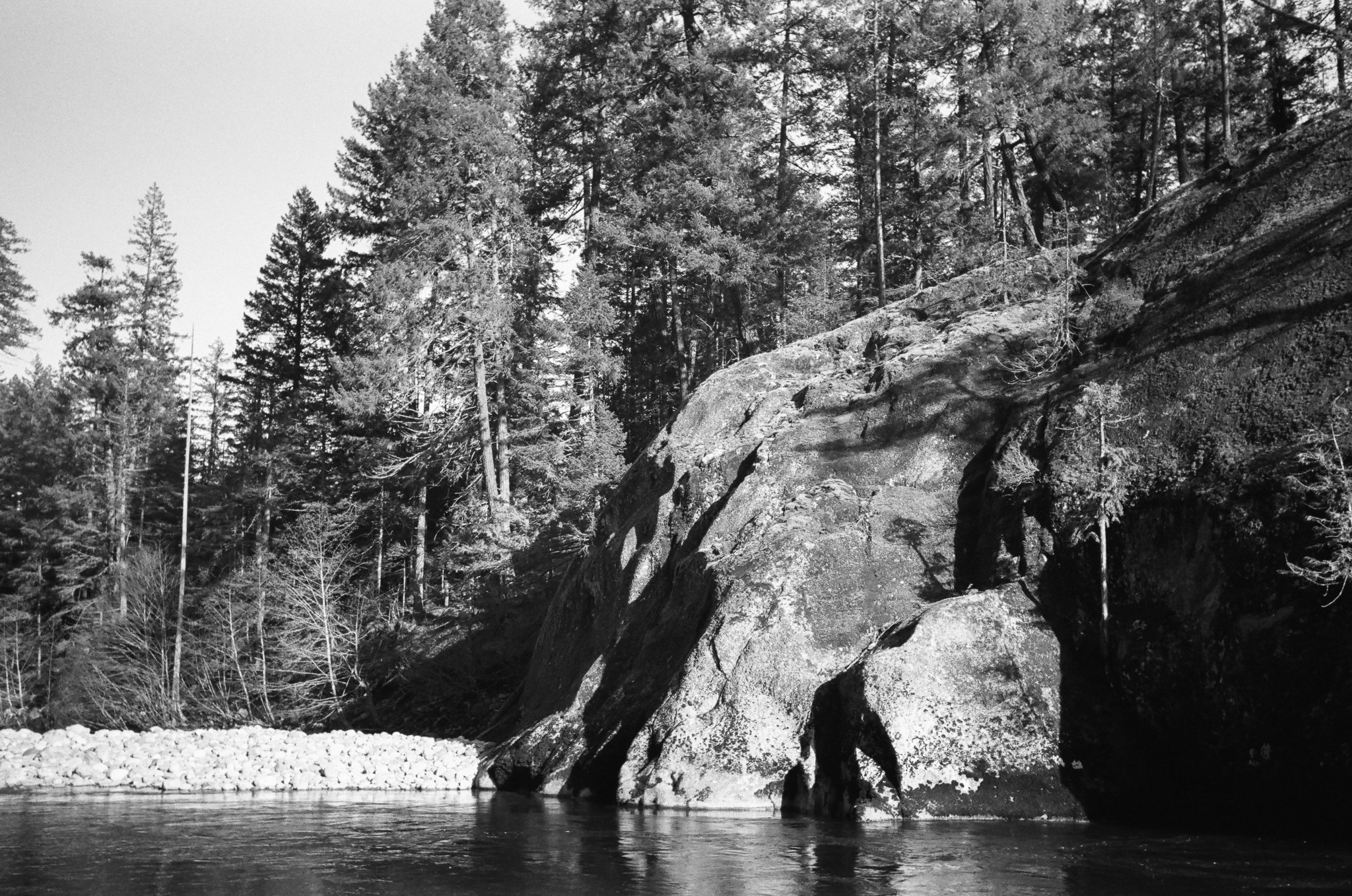
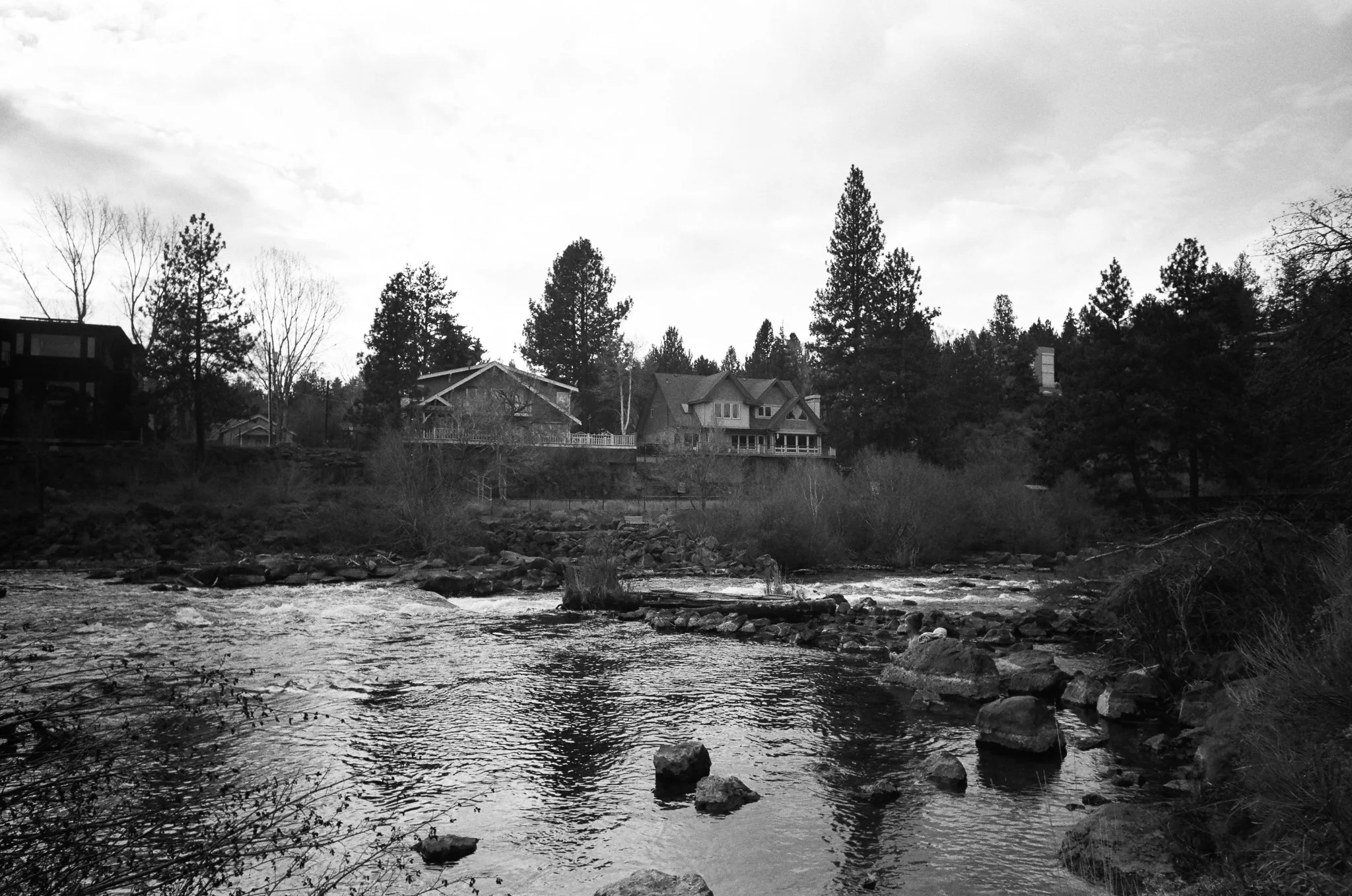
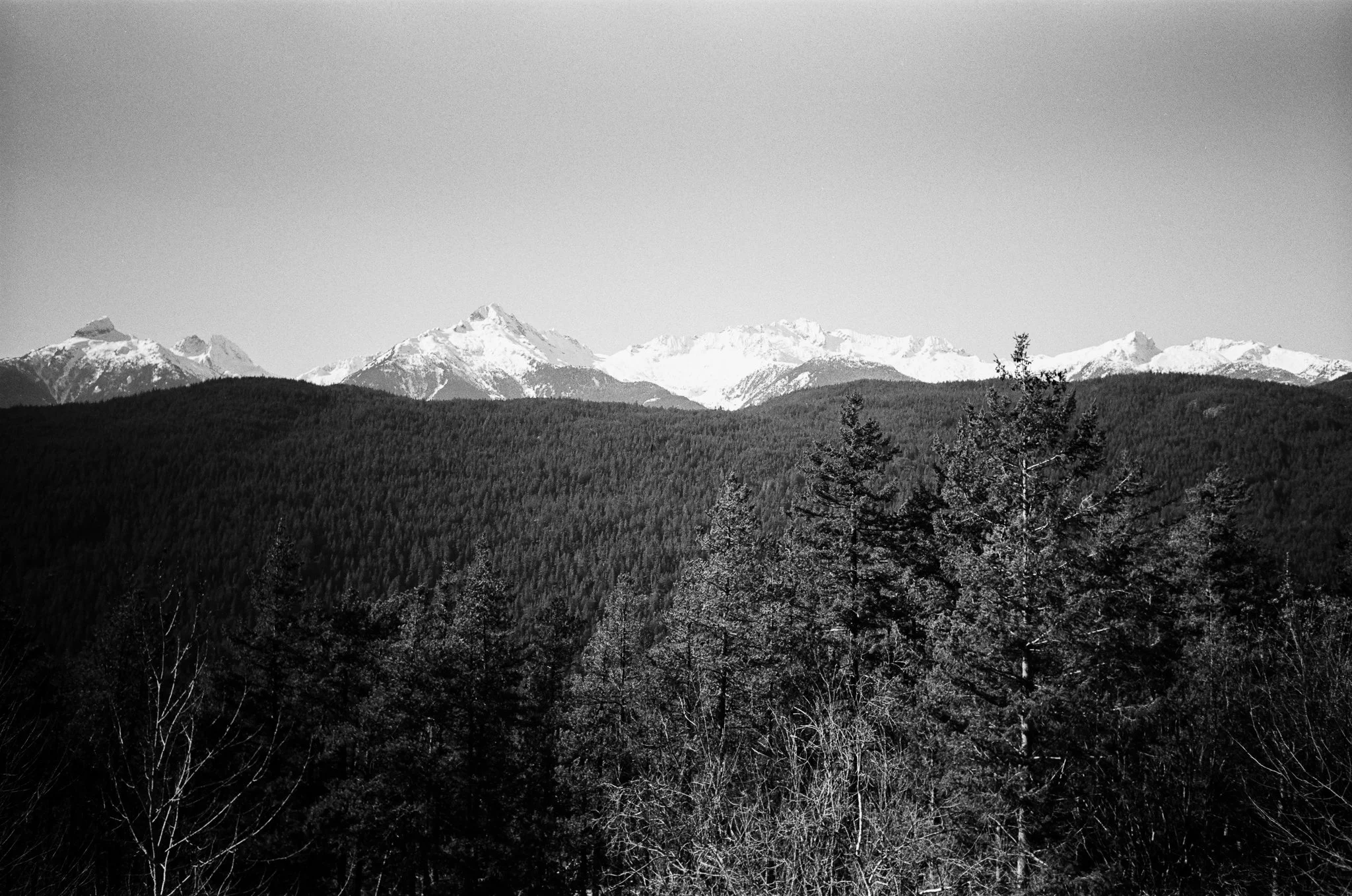
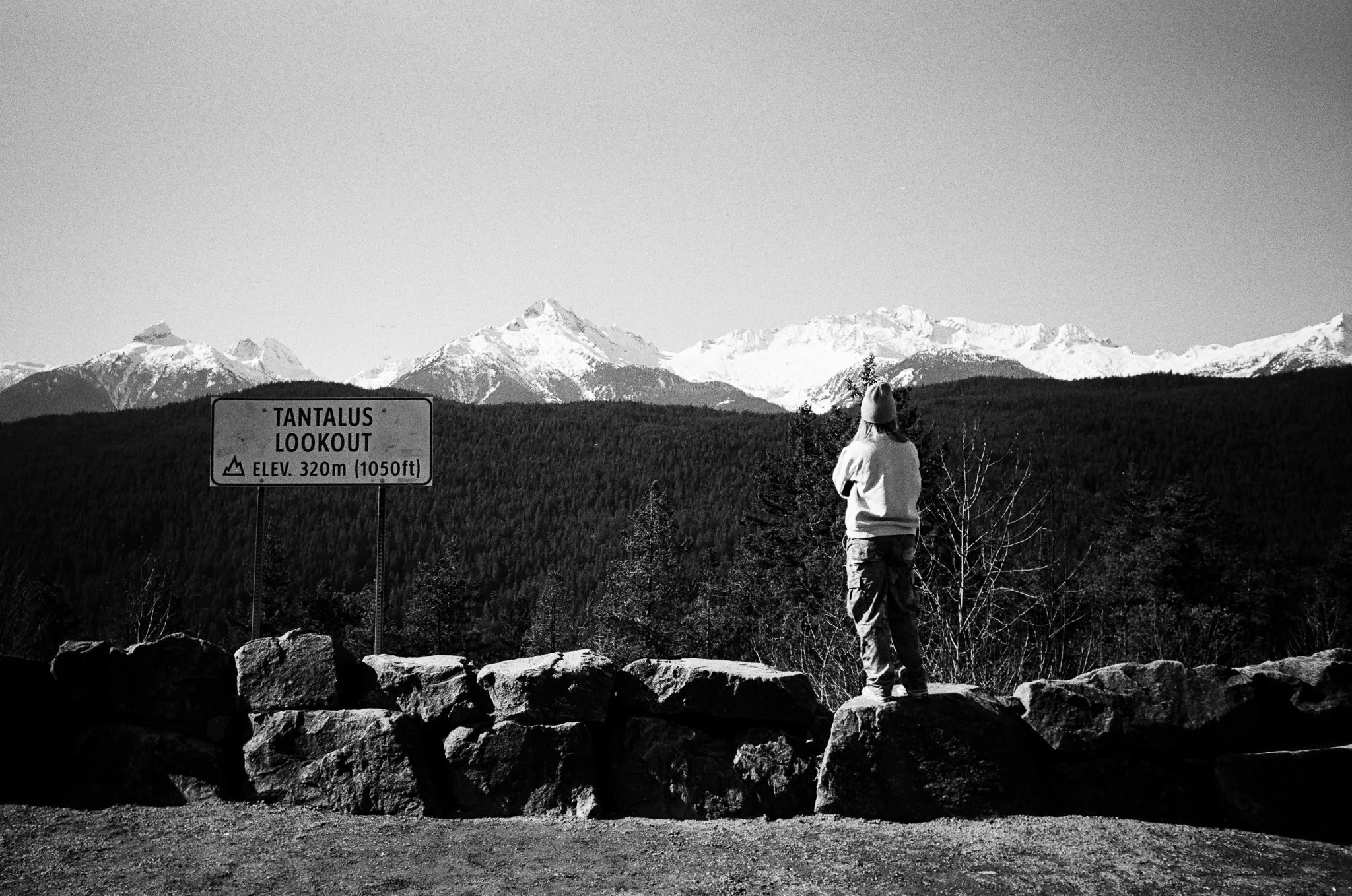
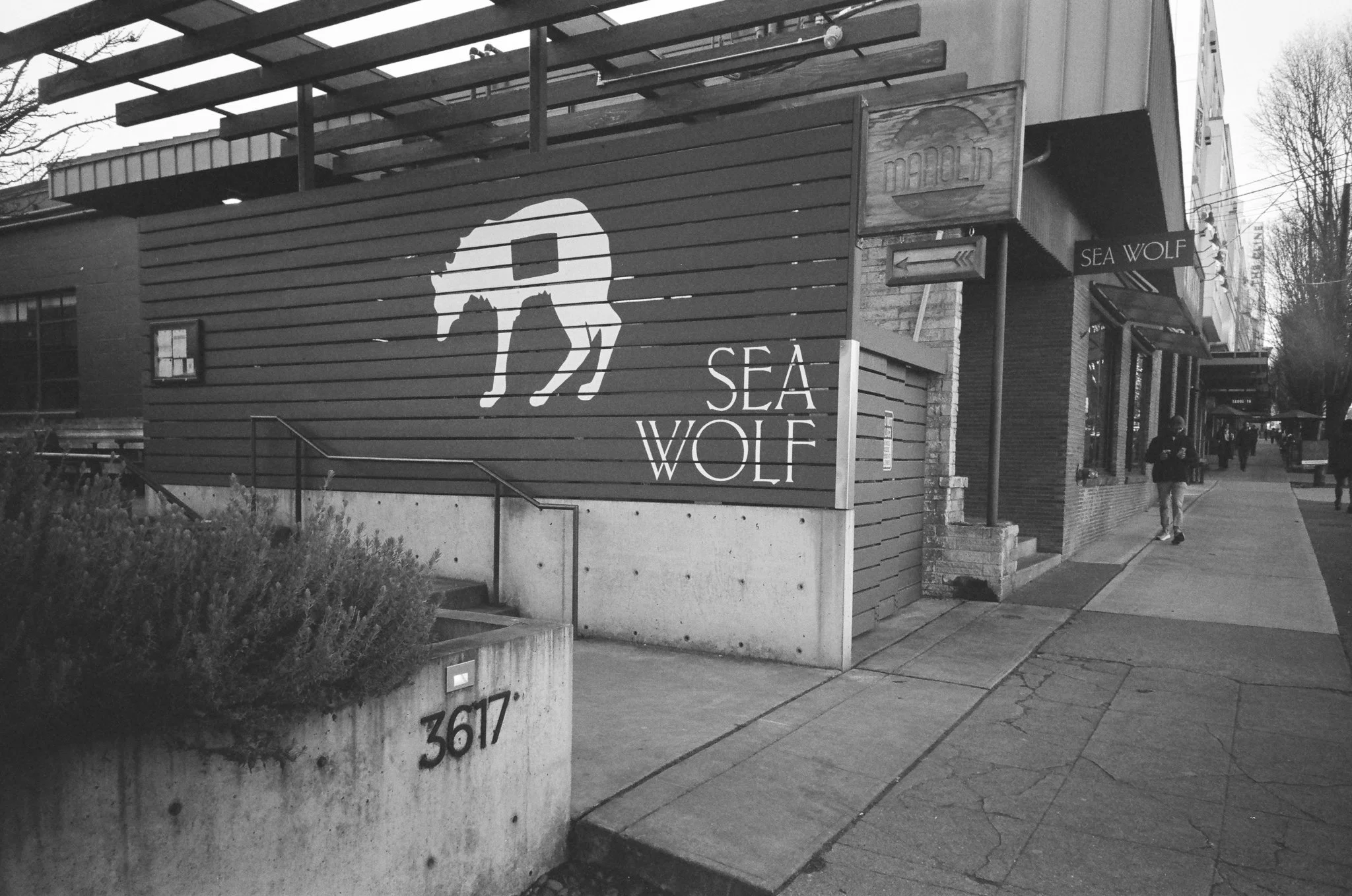
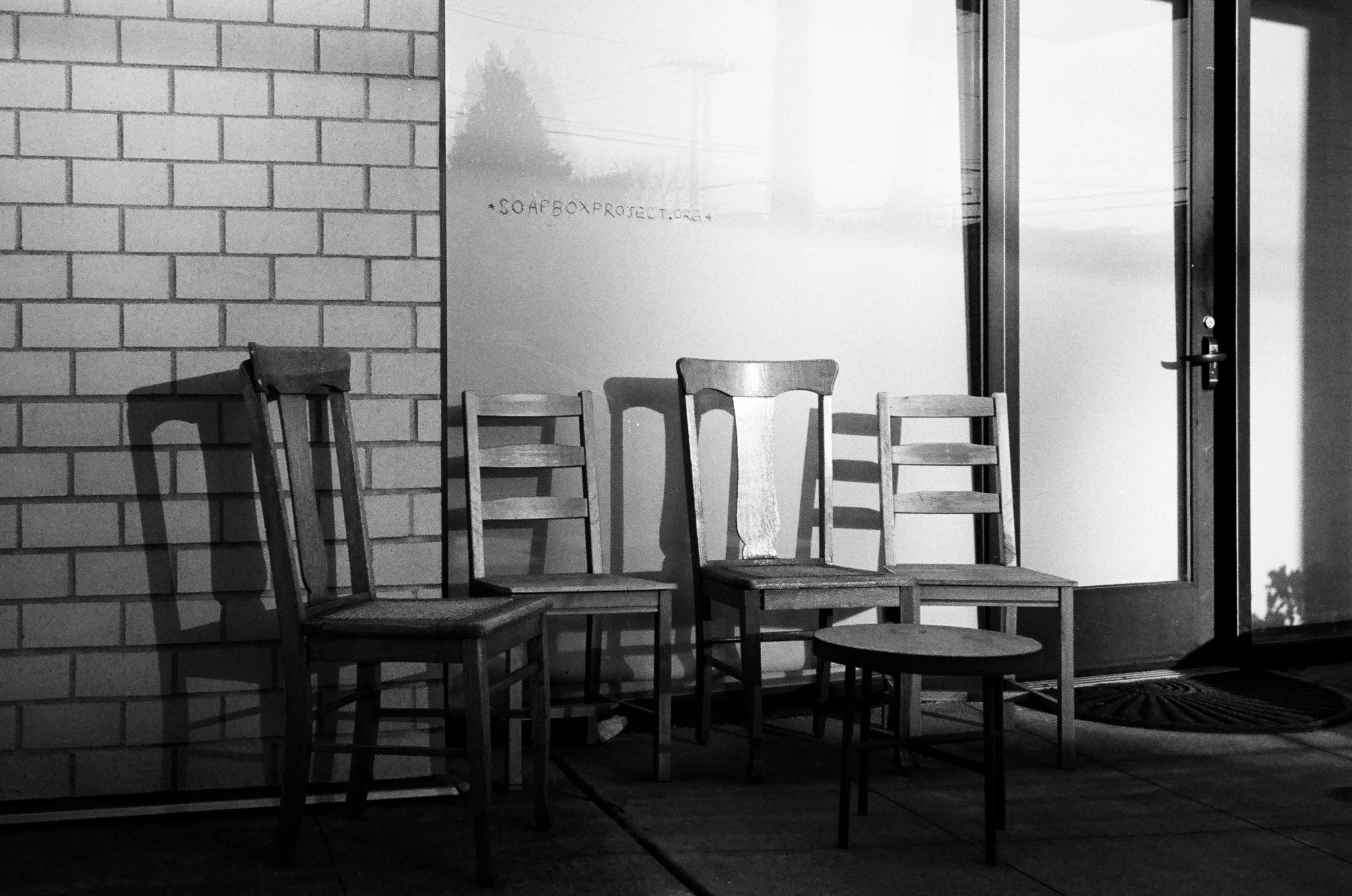
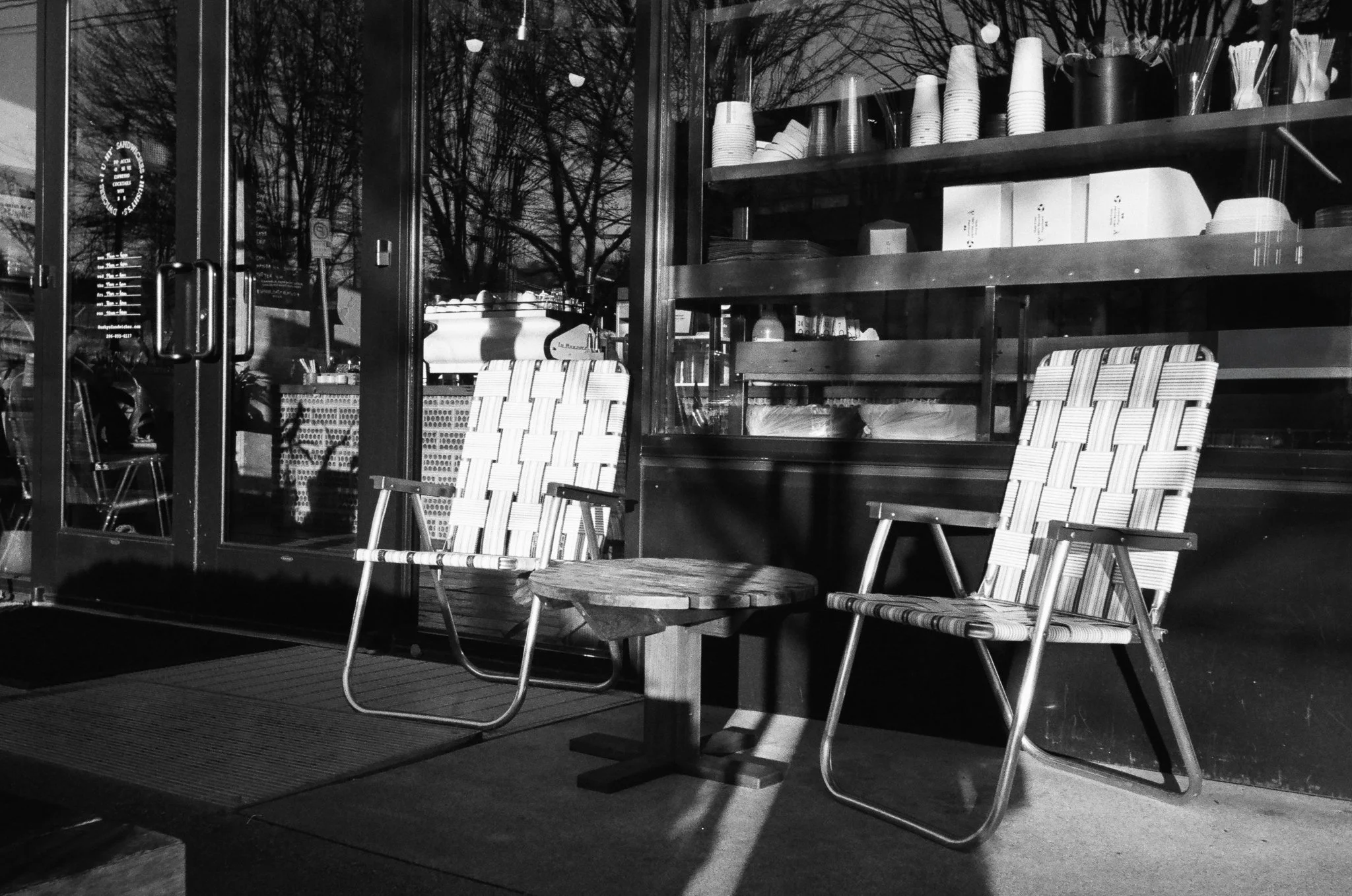
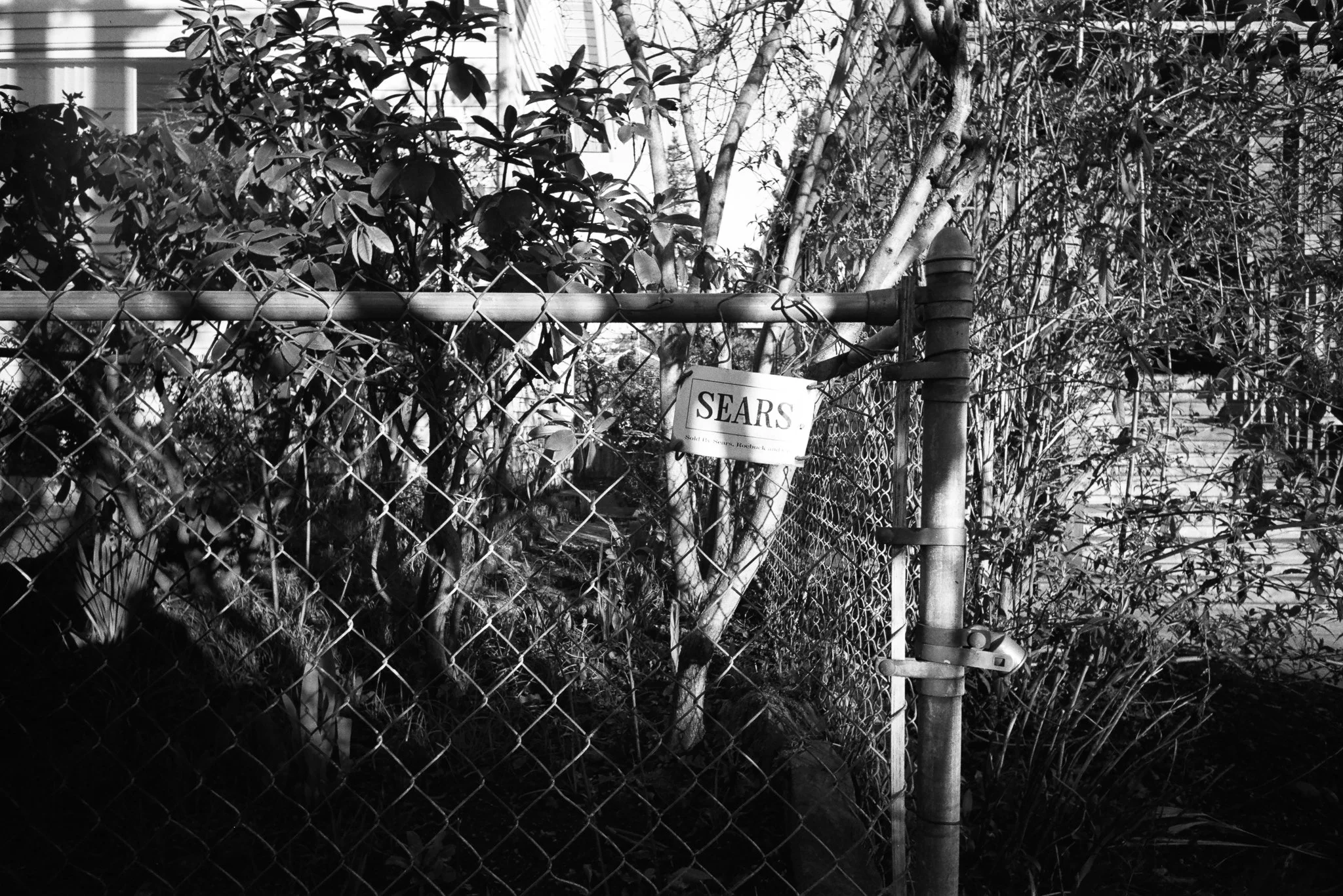
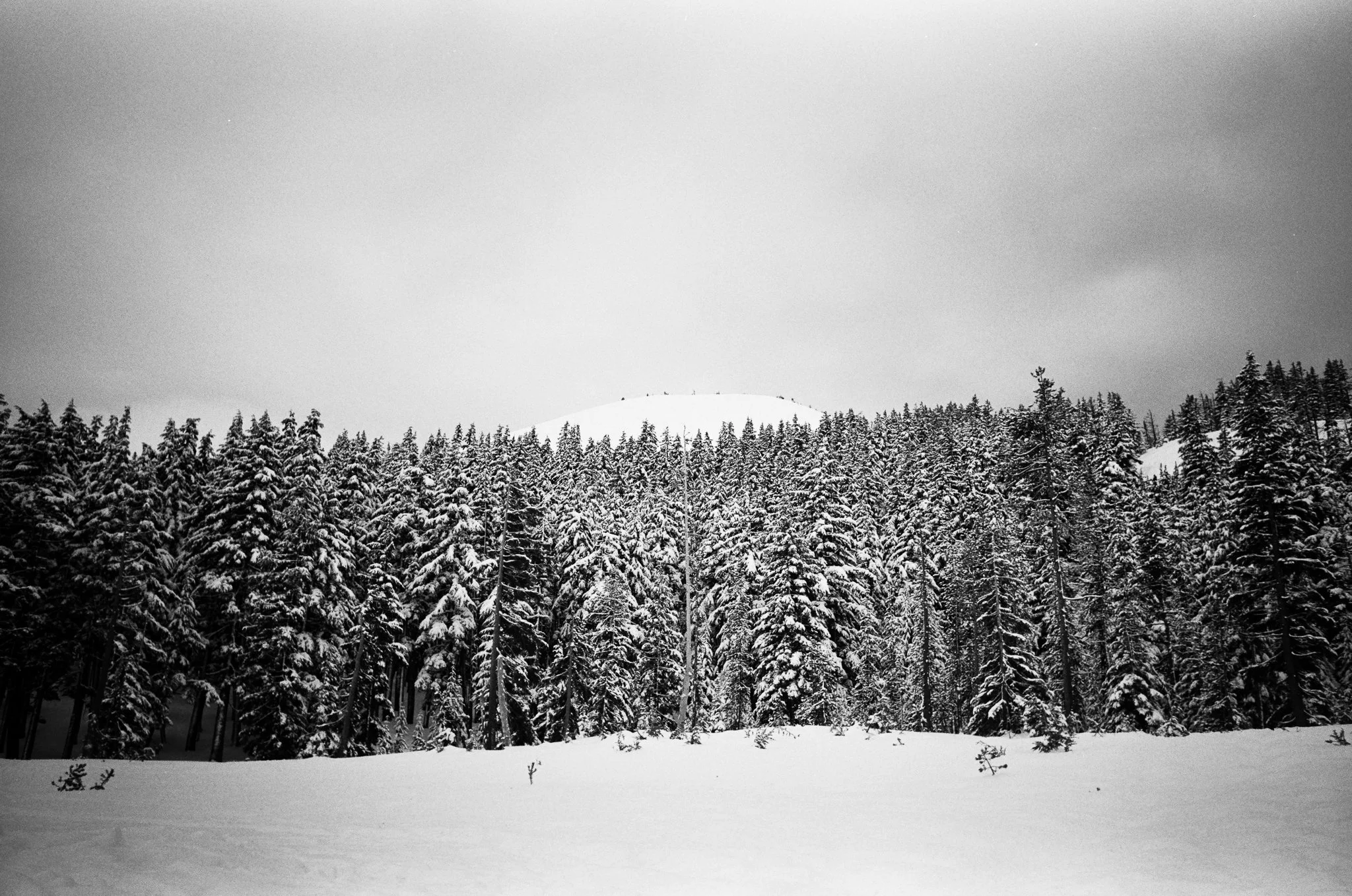
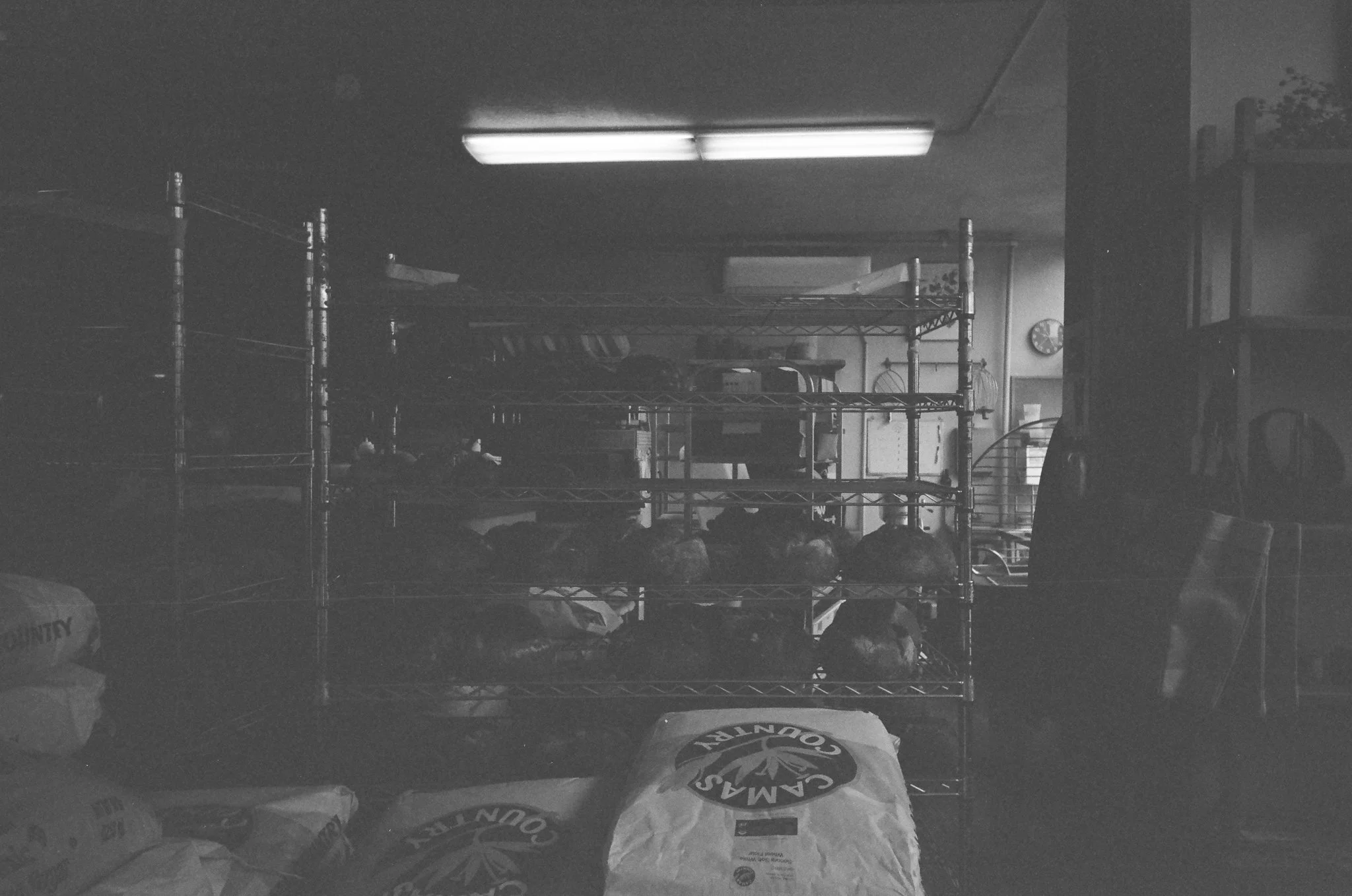
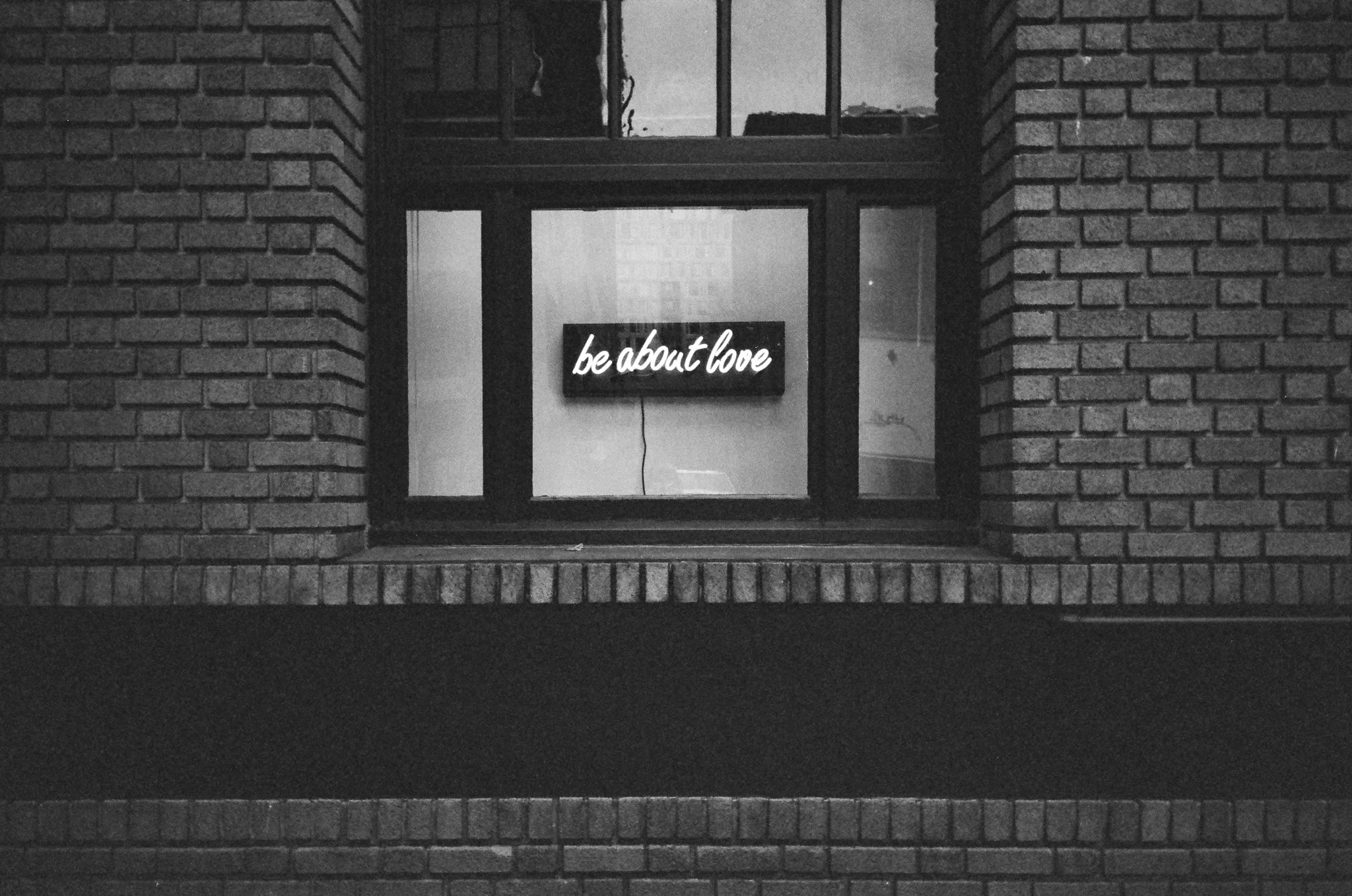
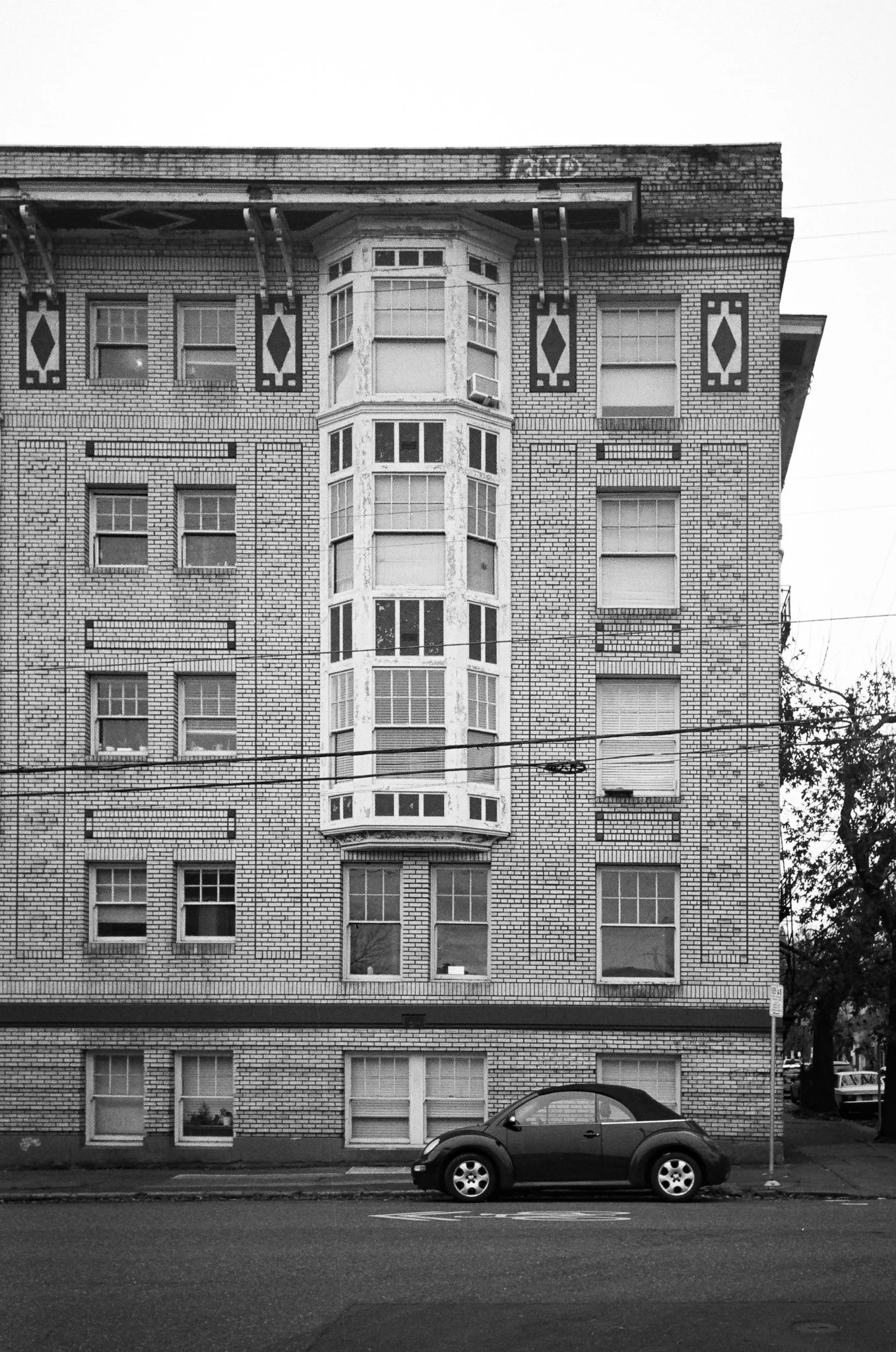
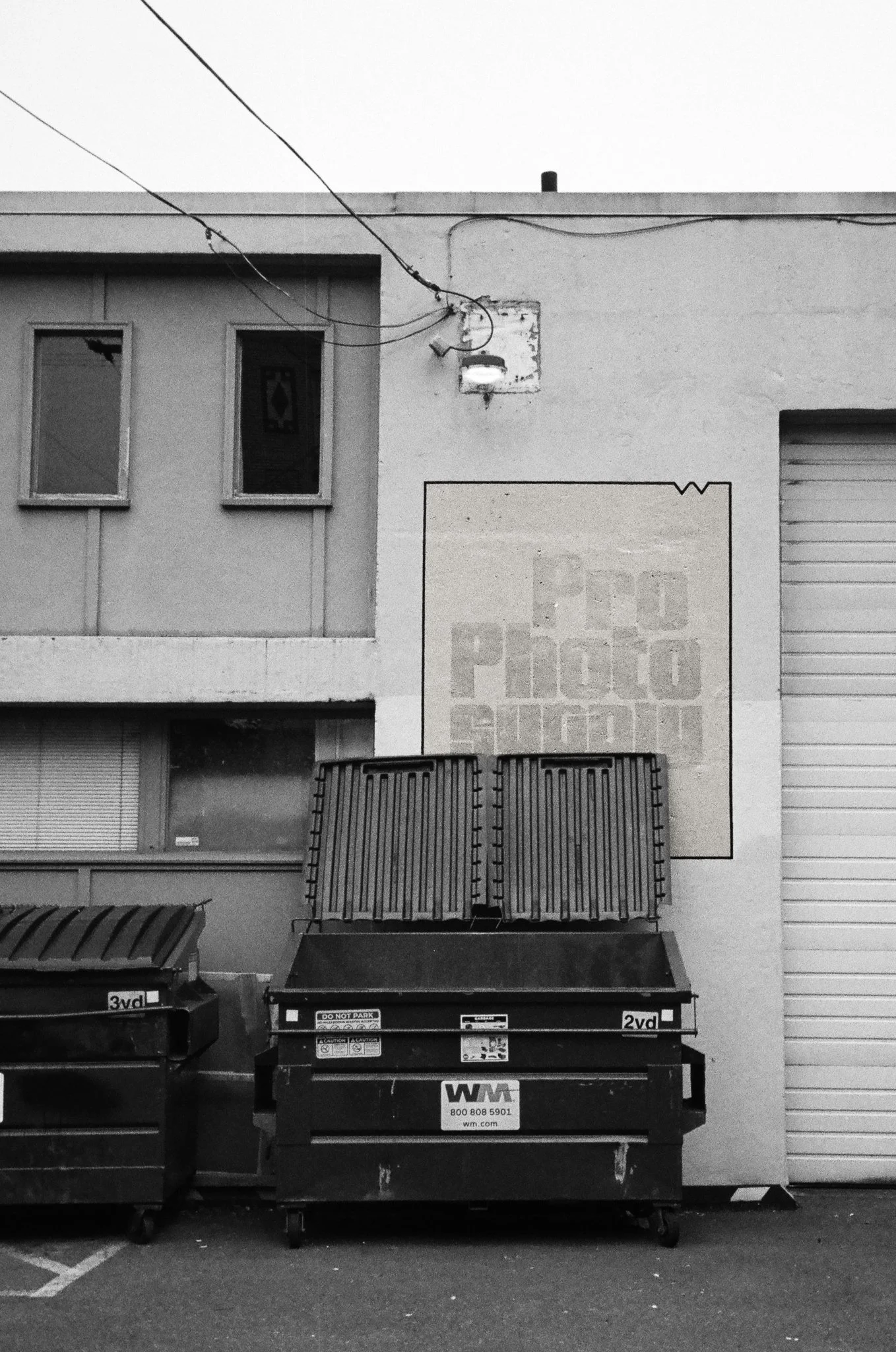
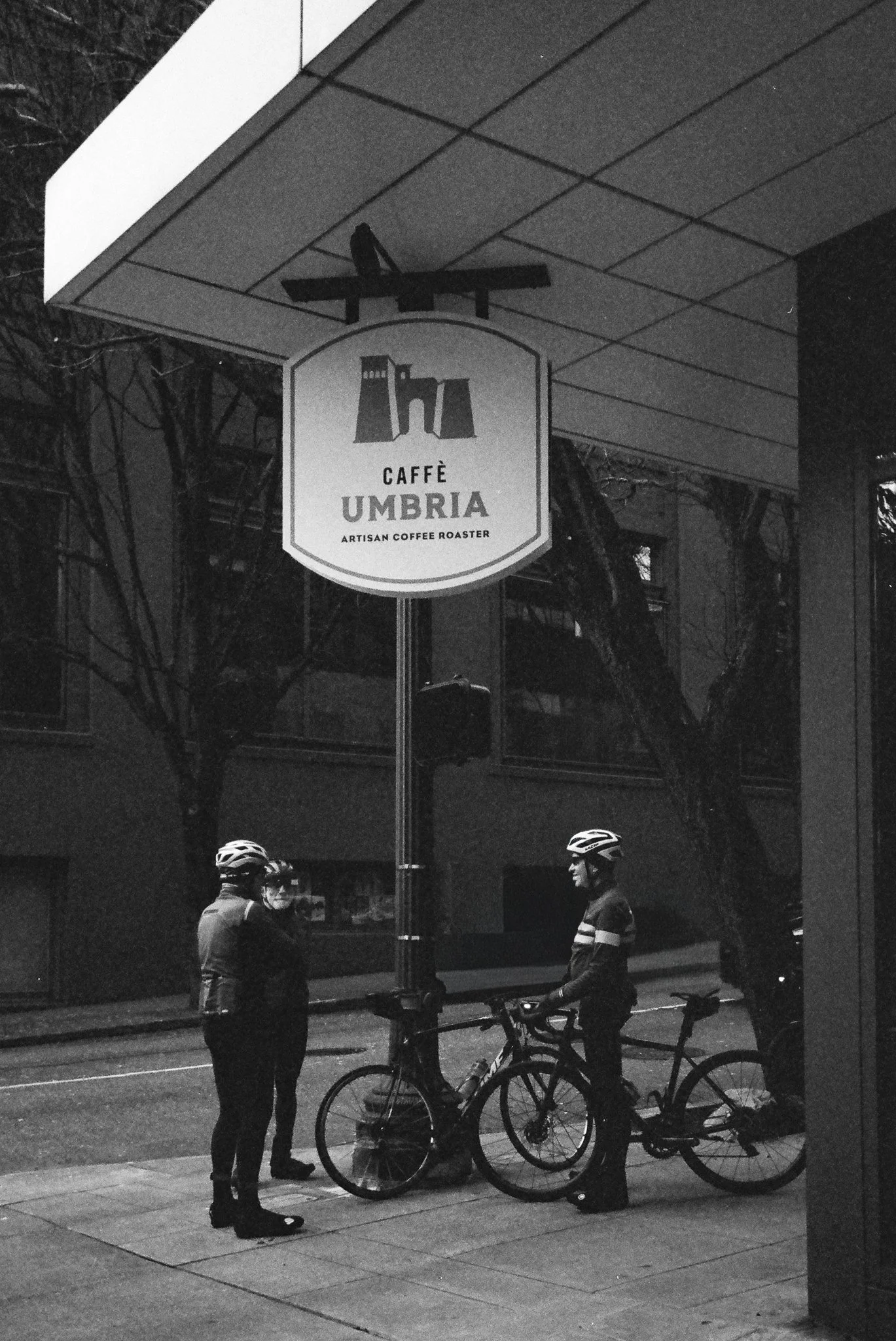
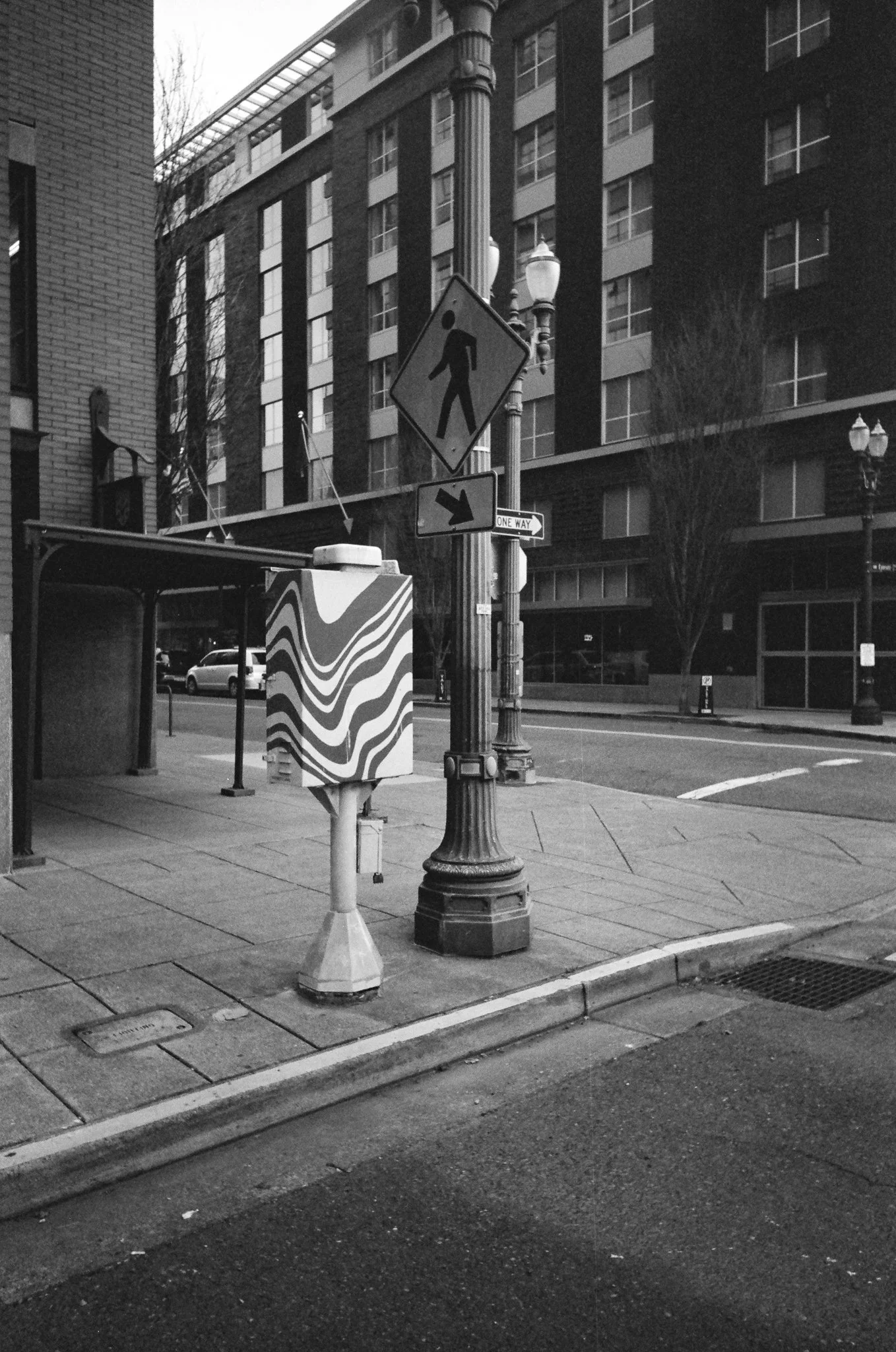
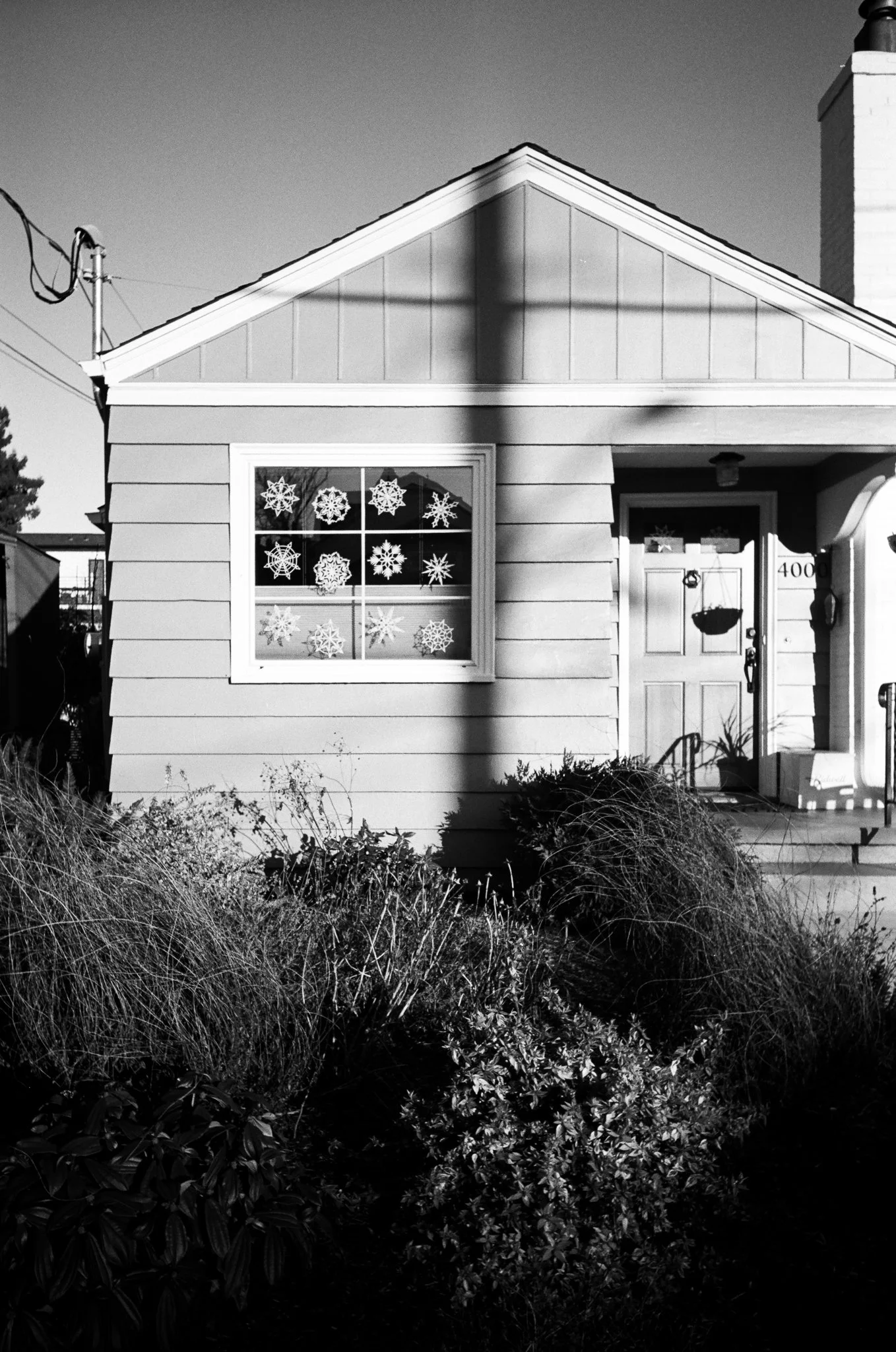
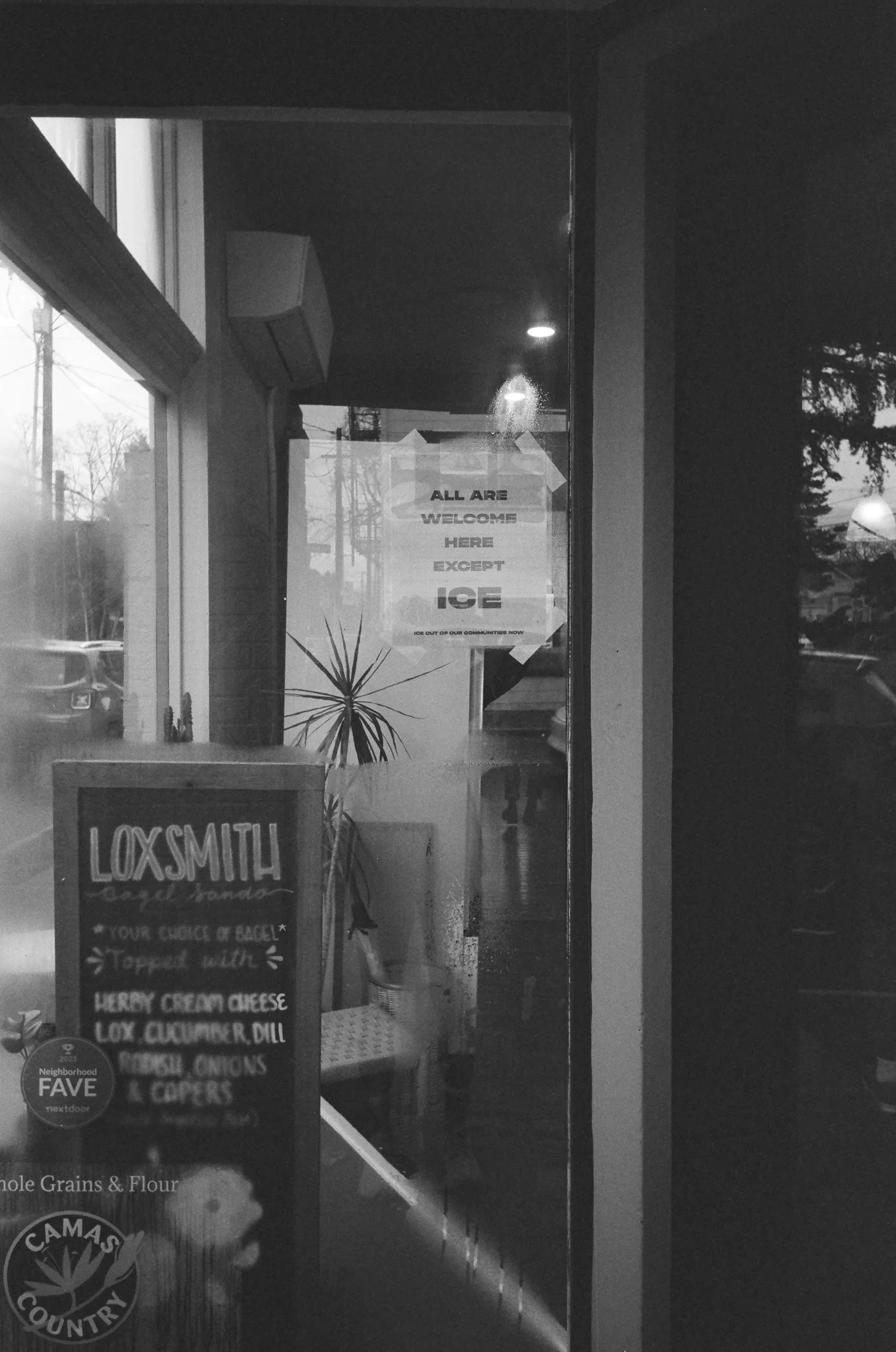
For the February installment of 12 Months on Film, I loaded the Snapic with Kodak T-Max, a new to me black and white film. I loved the rich contrast and dark shadows that the film provided and I have a feeling it will be my go-to black and white.
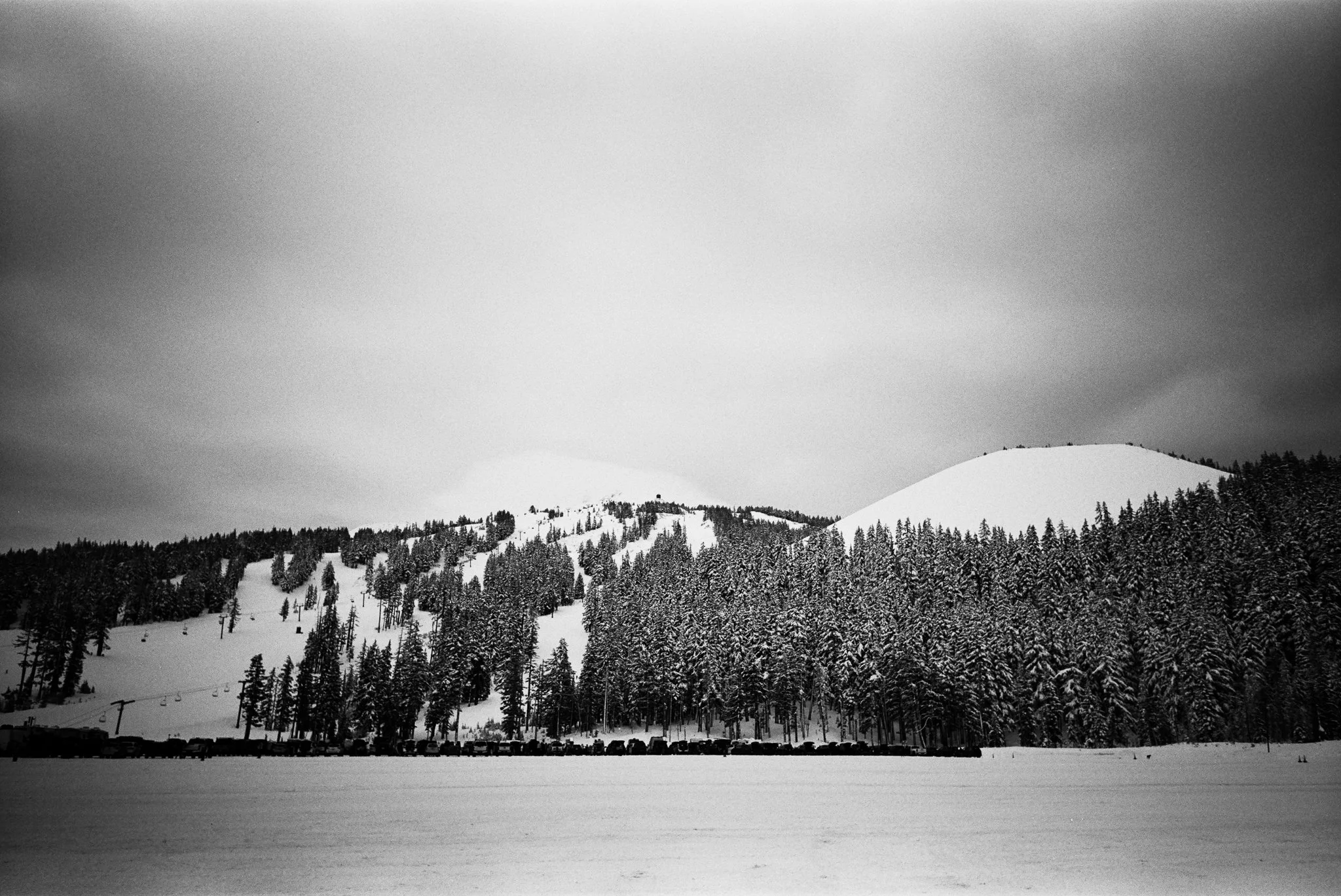
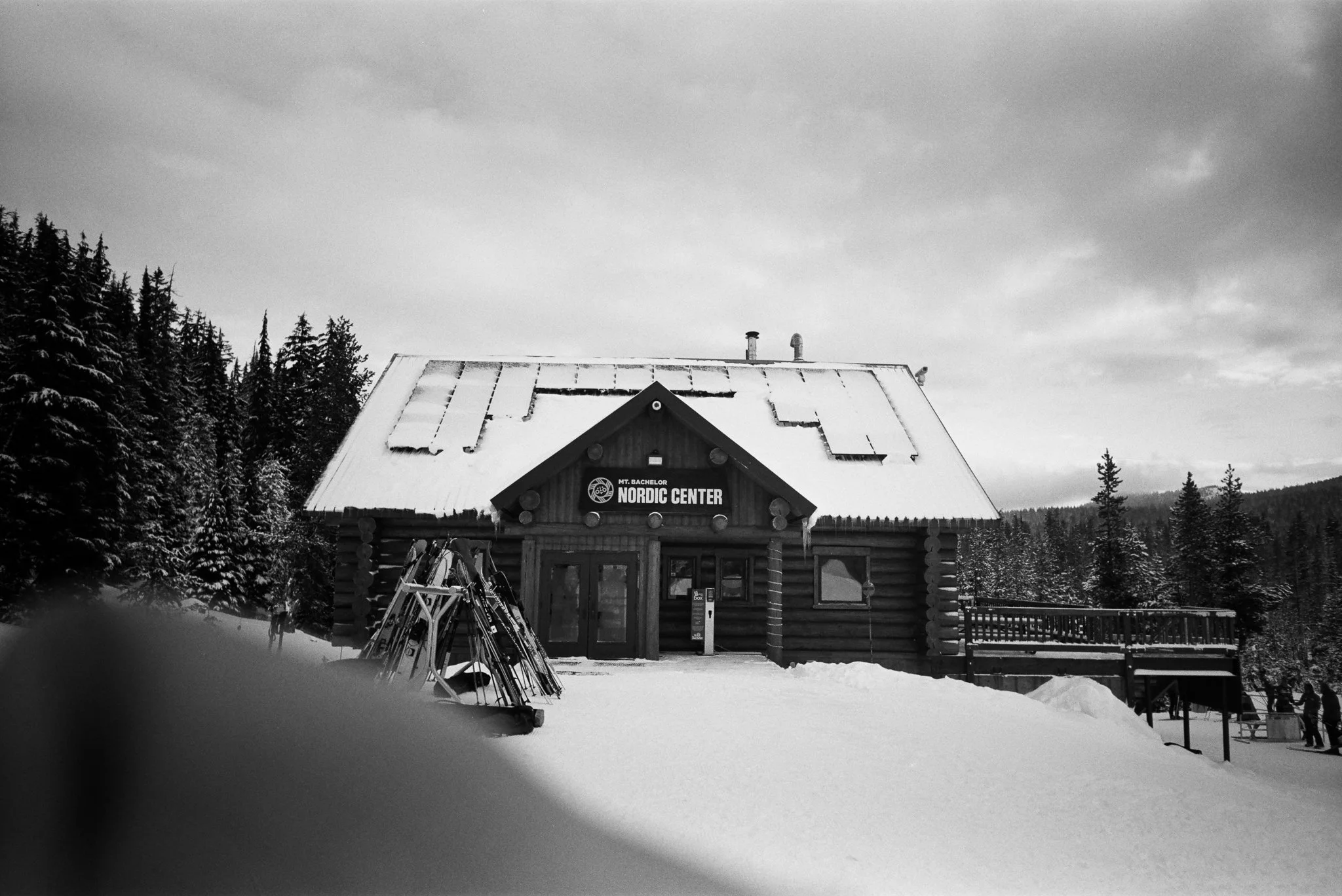
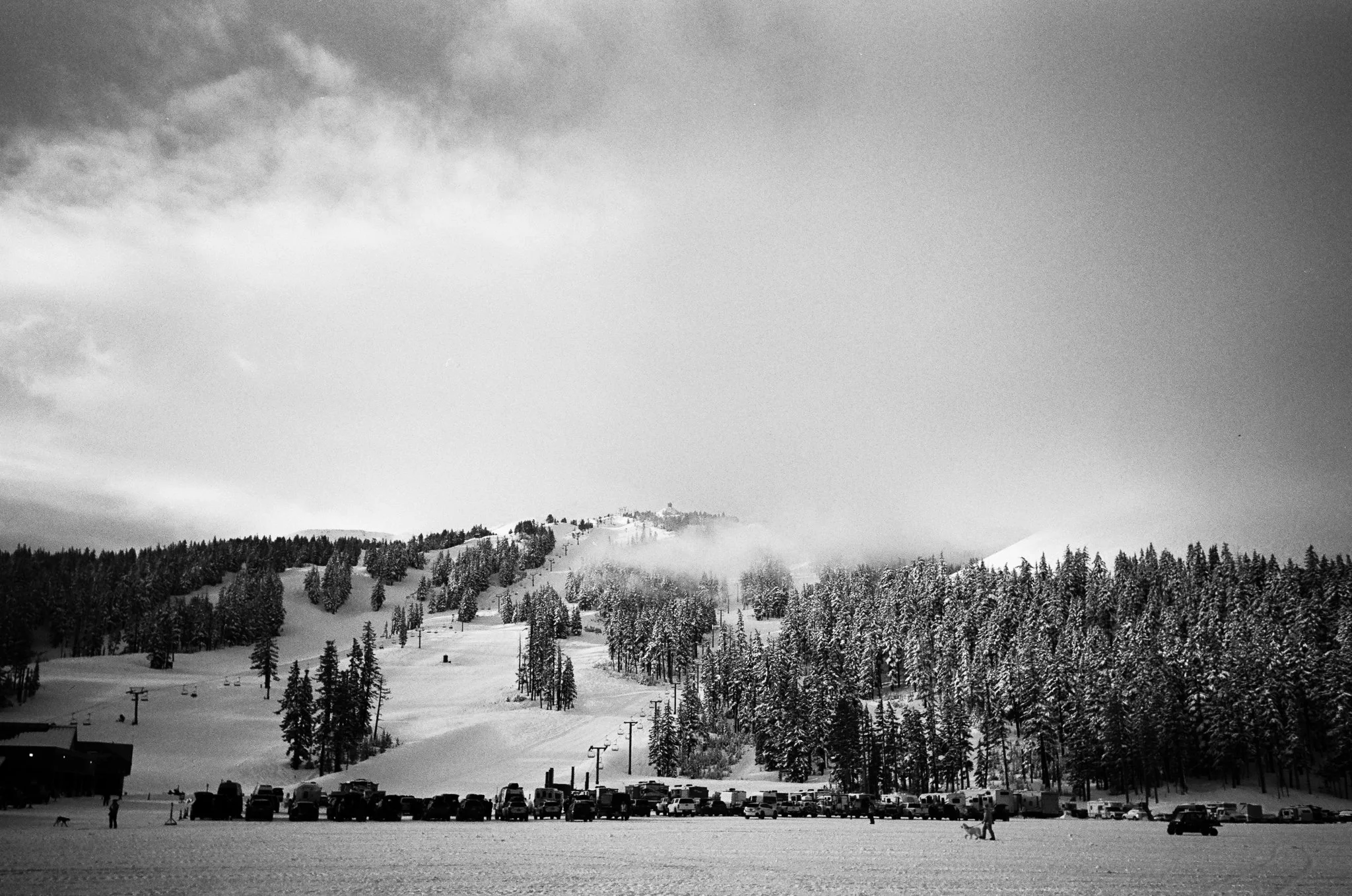
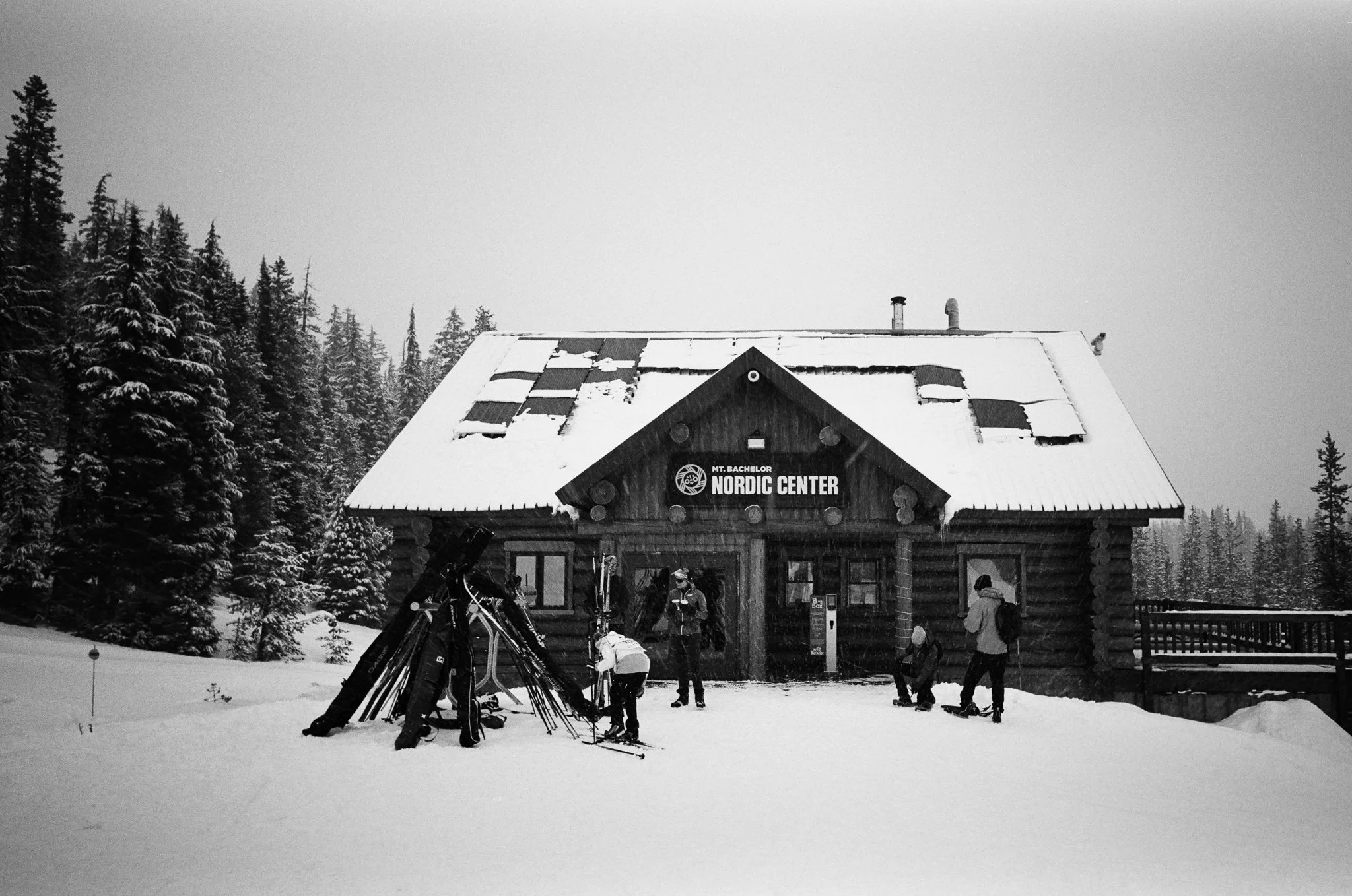
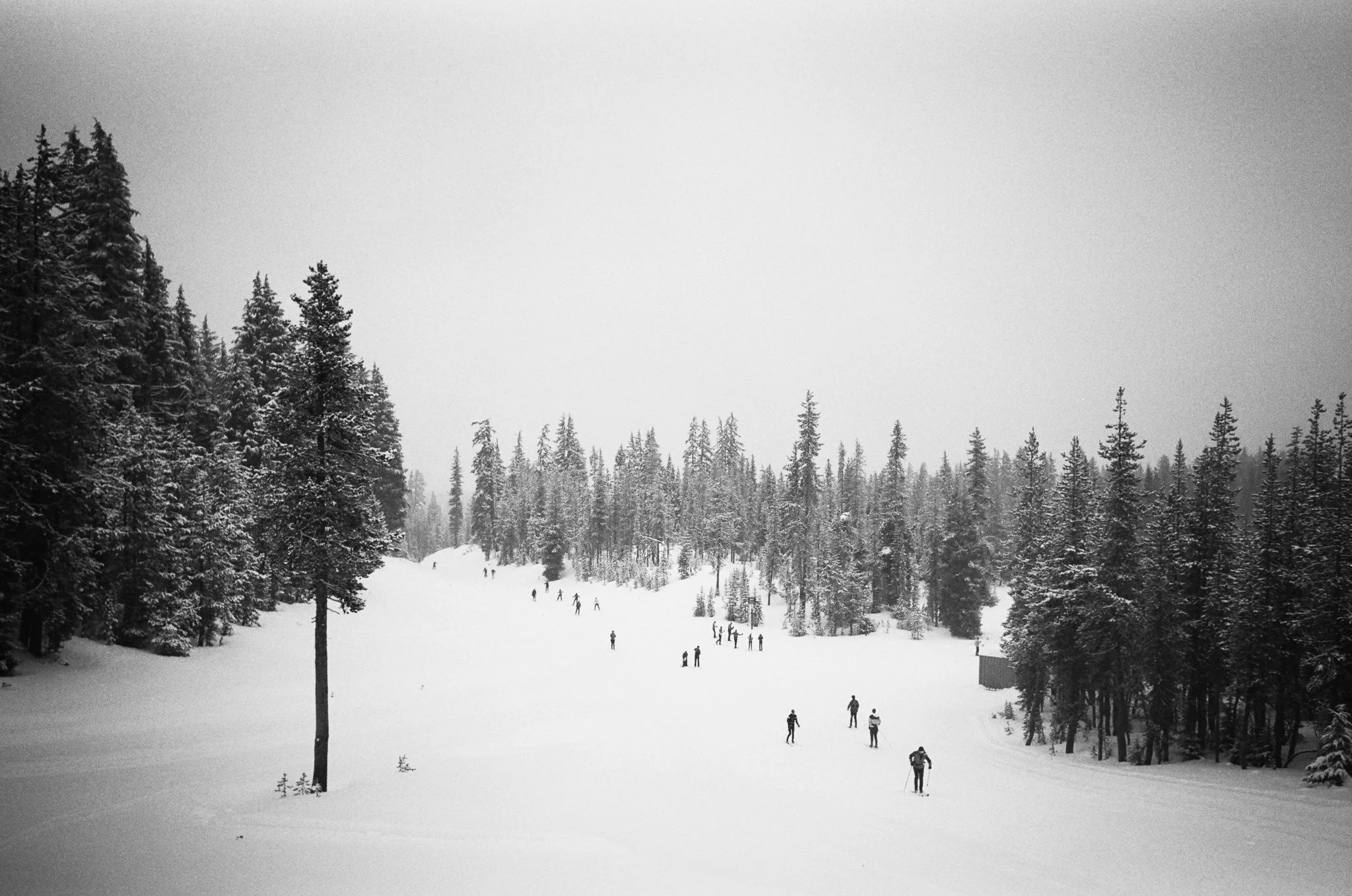
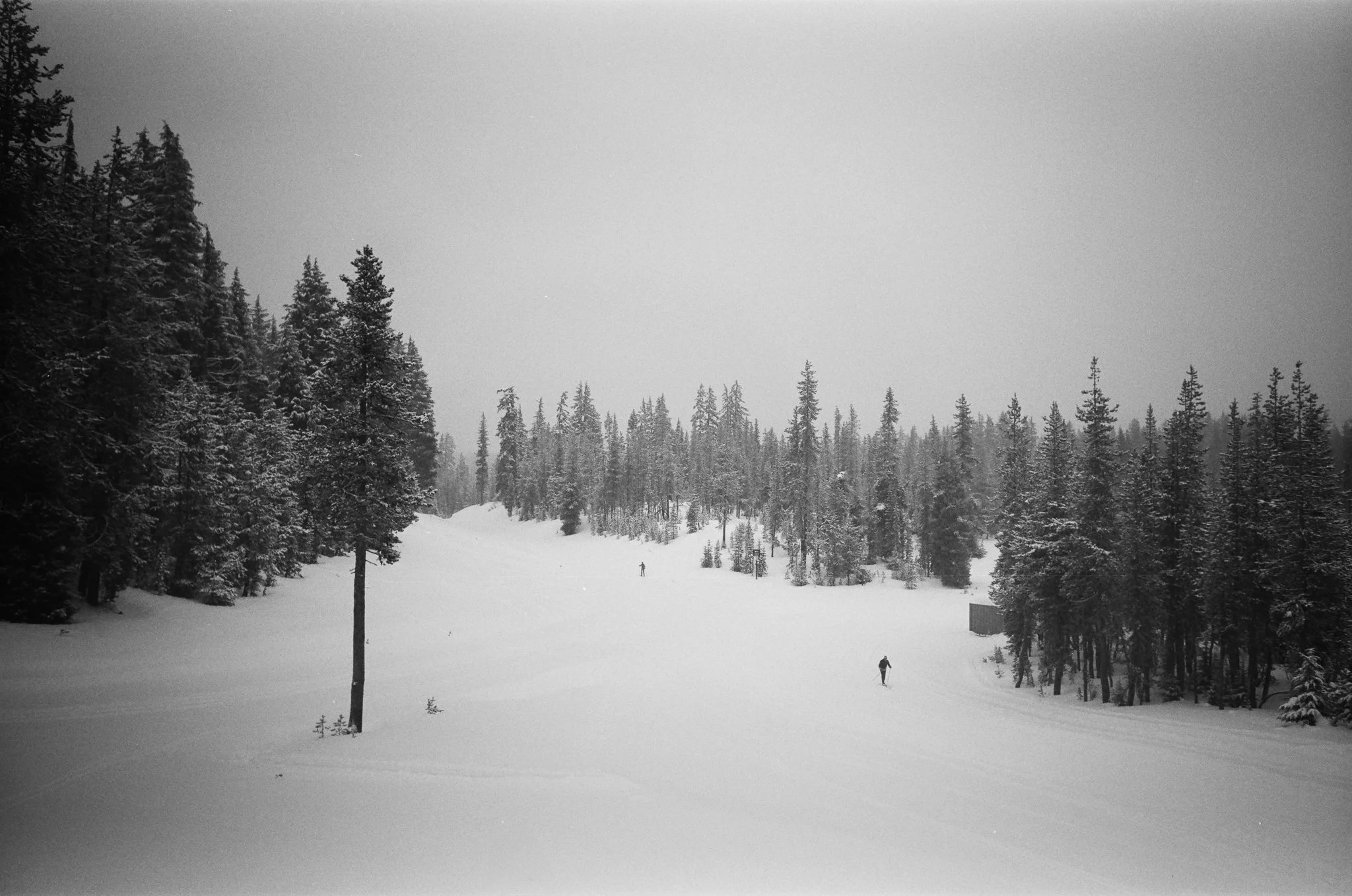
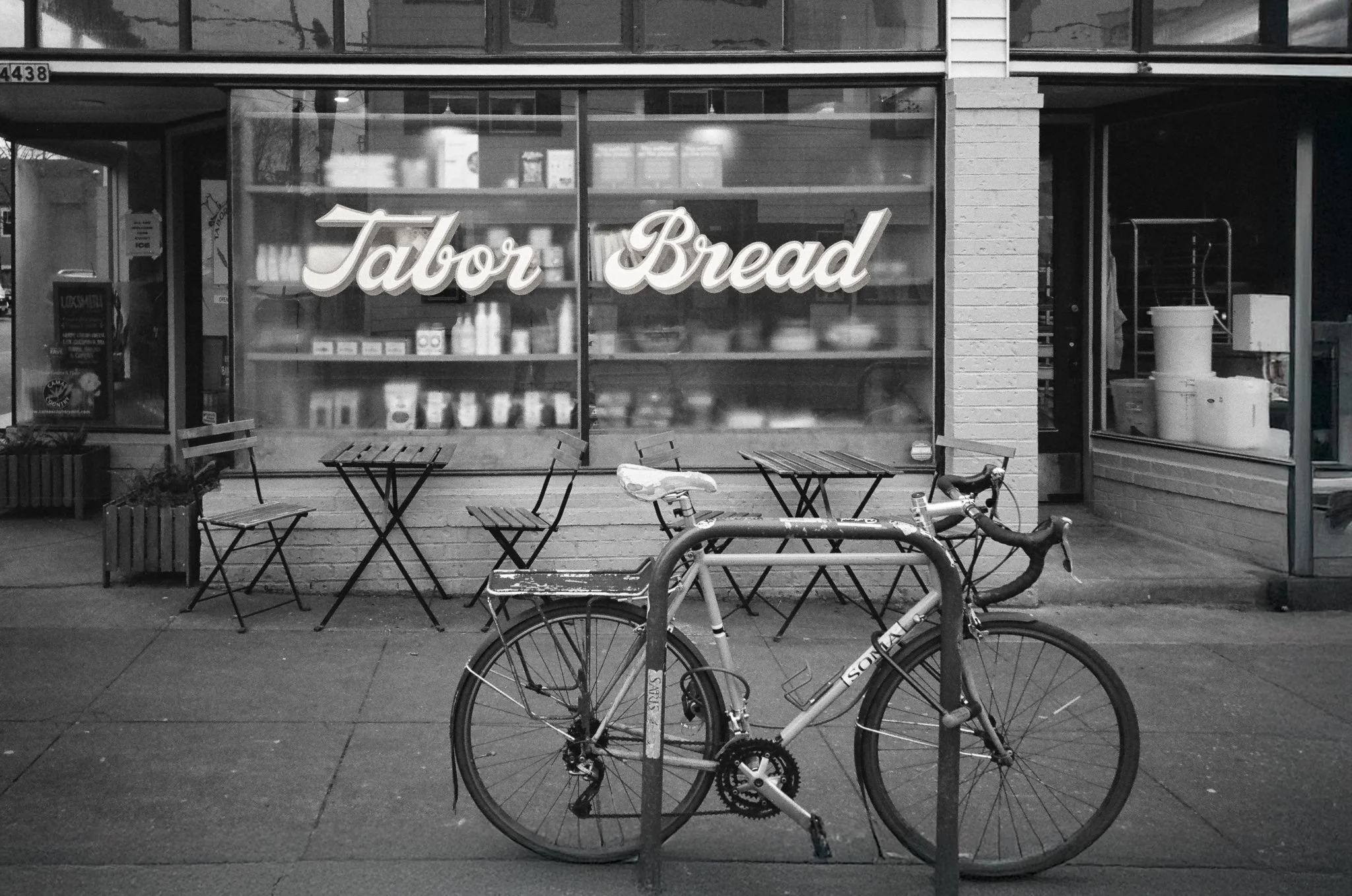
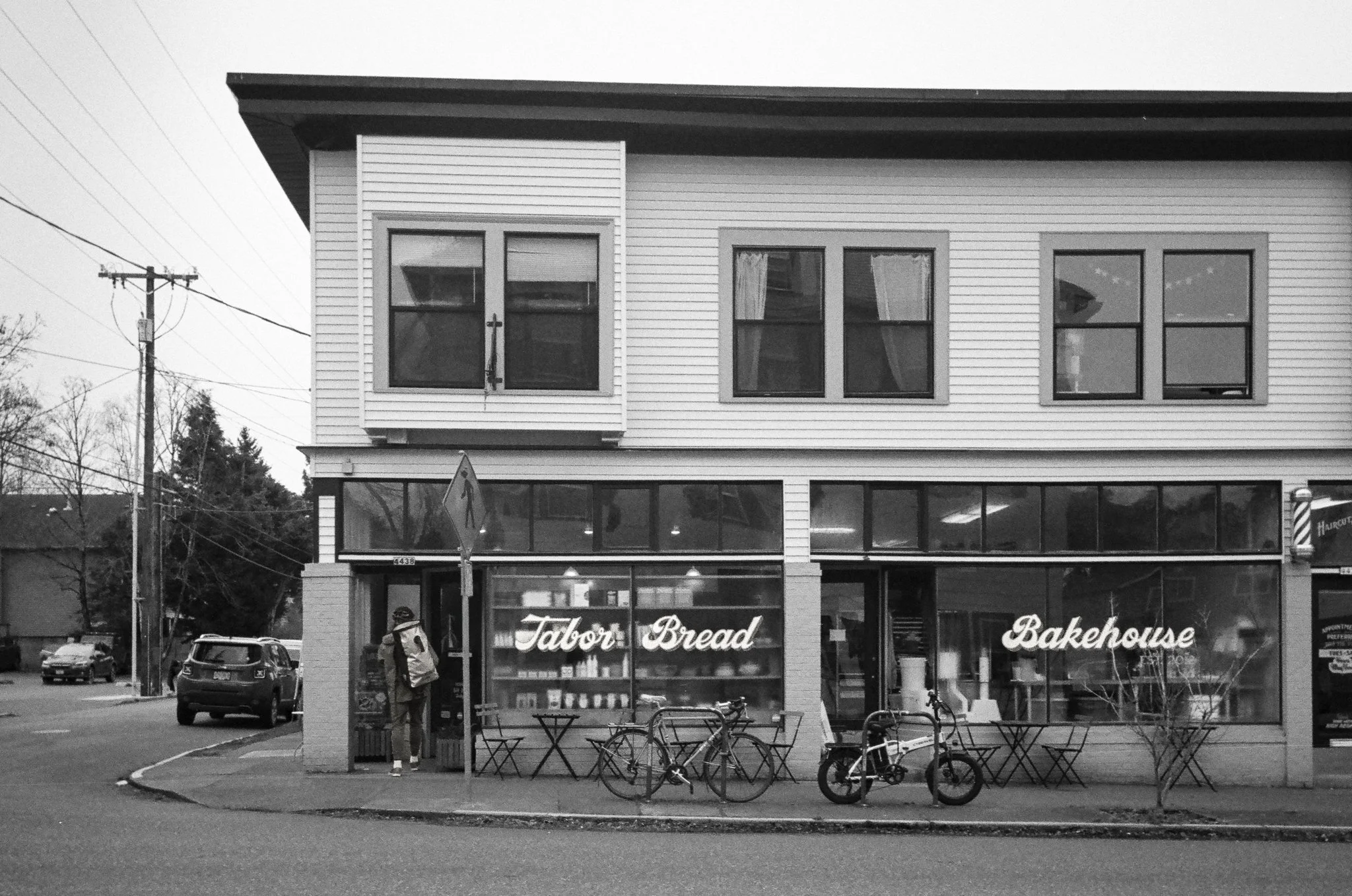
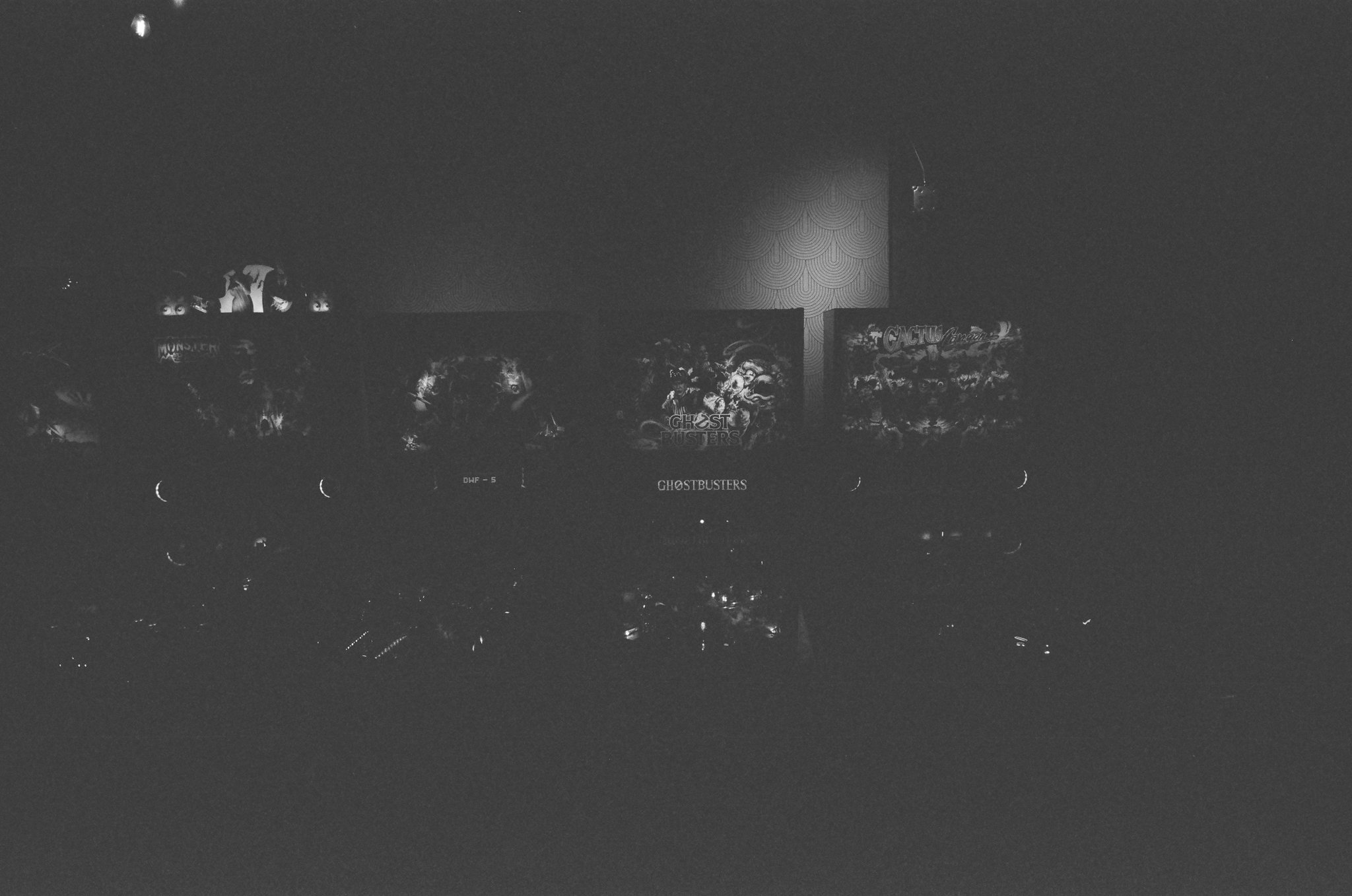
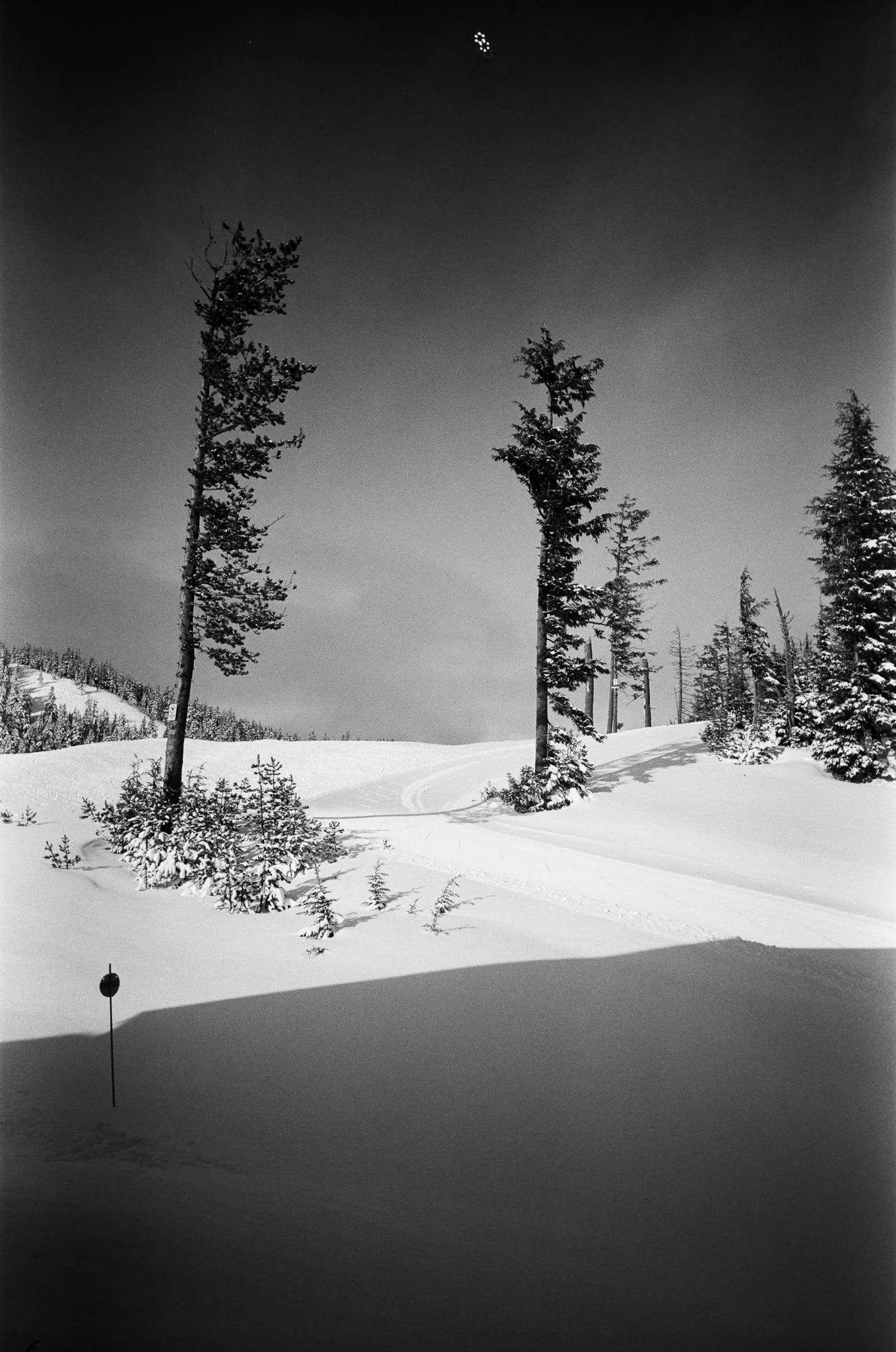
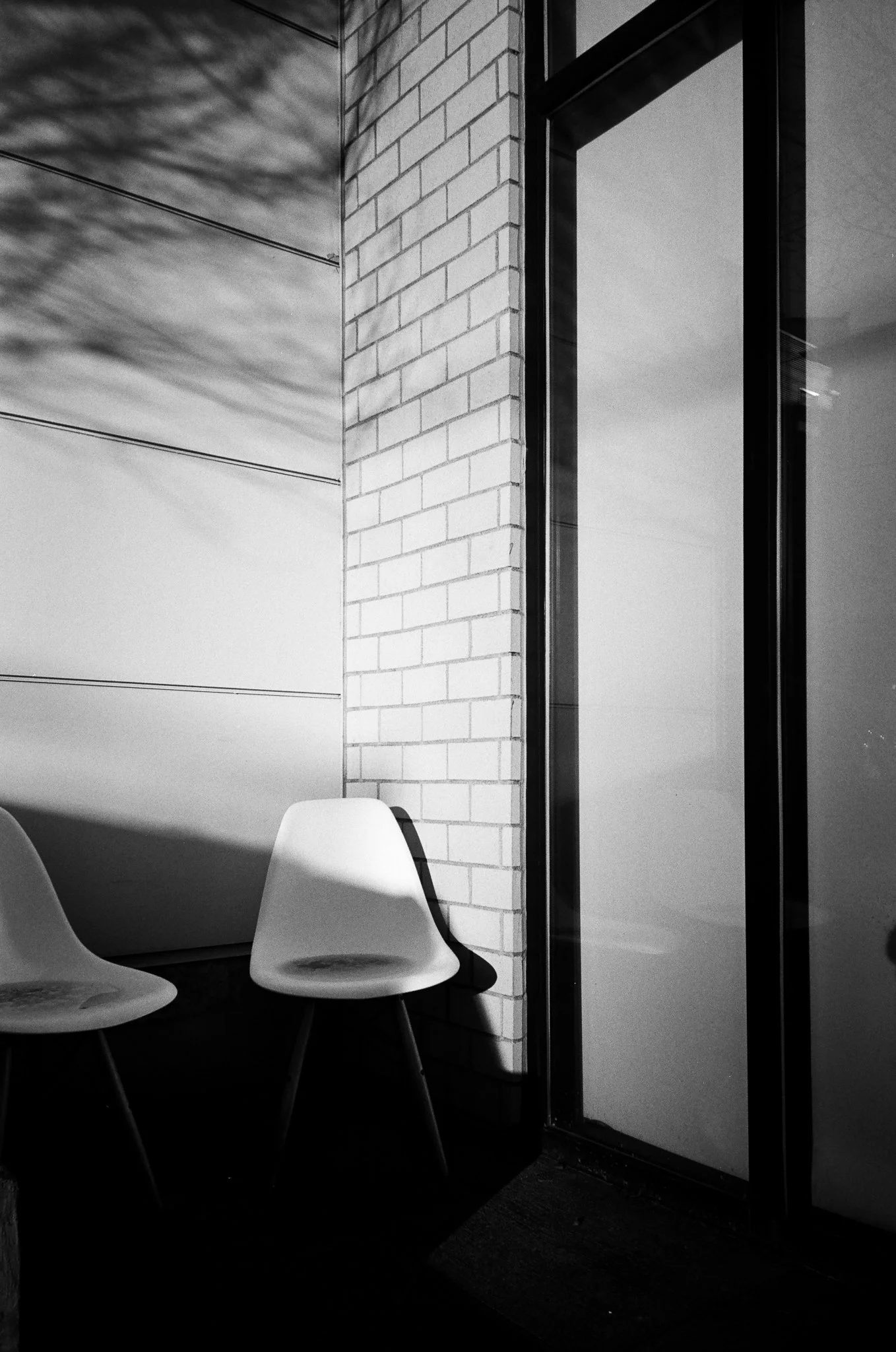
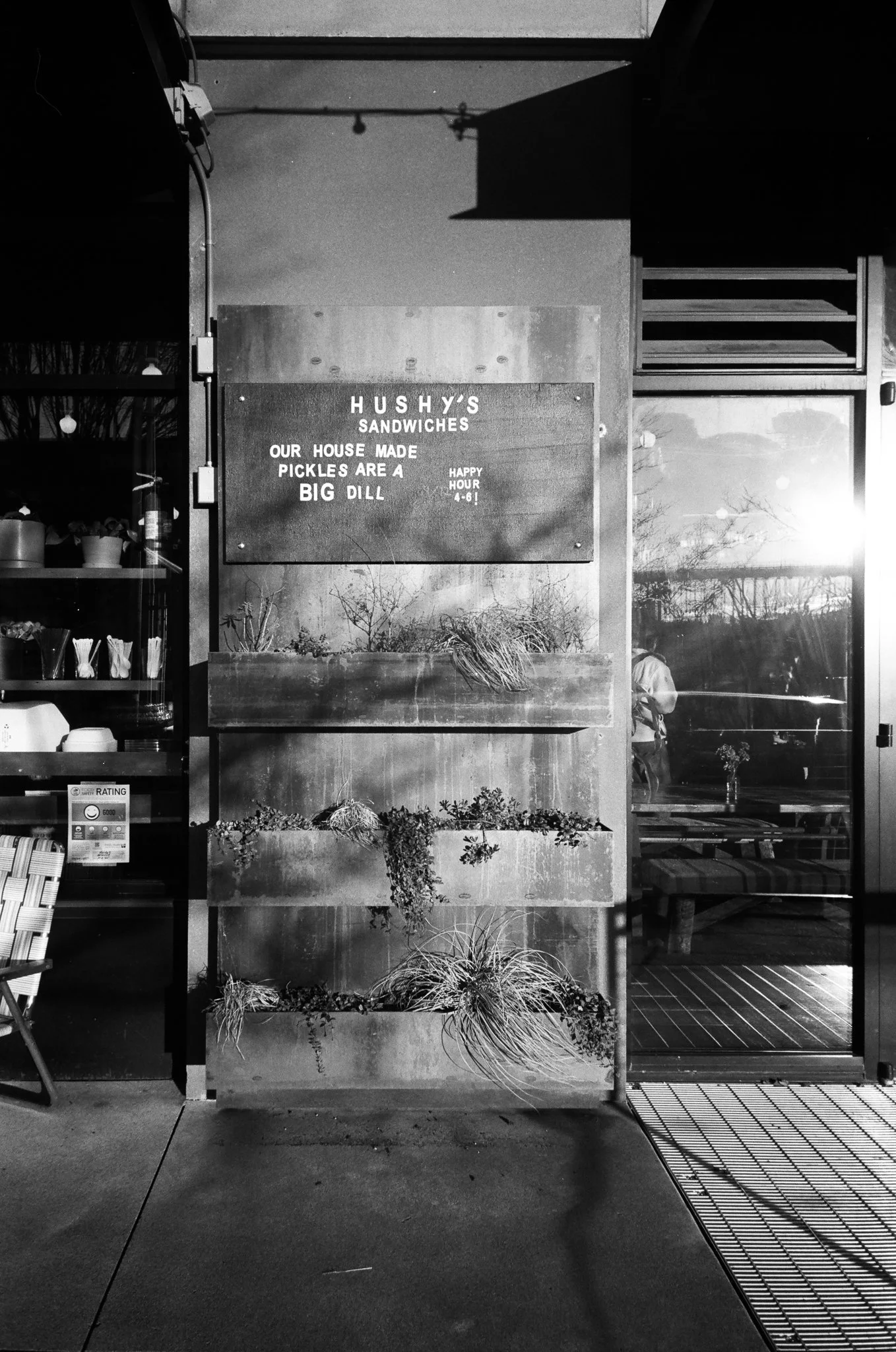
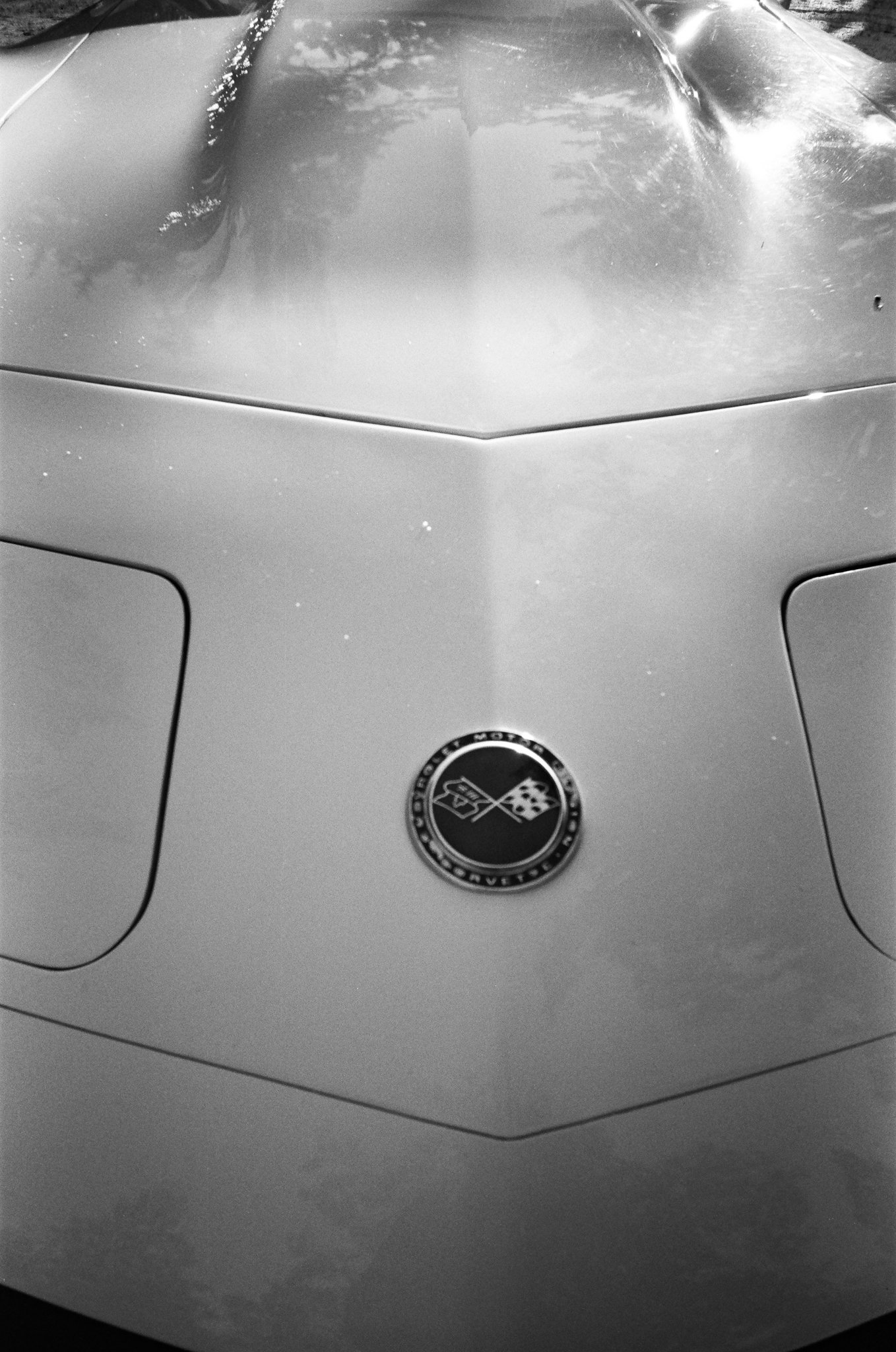
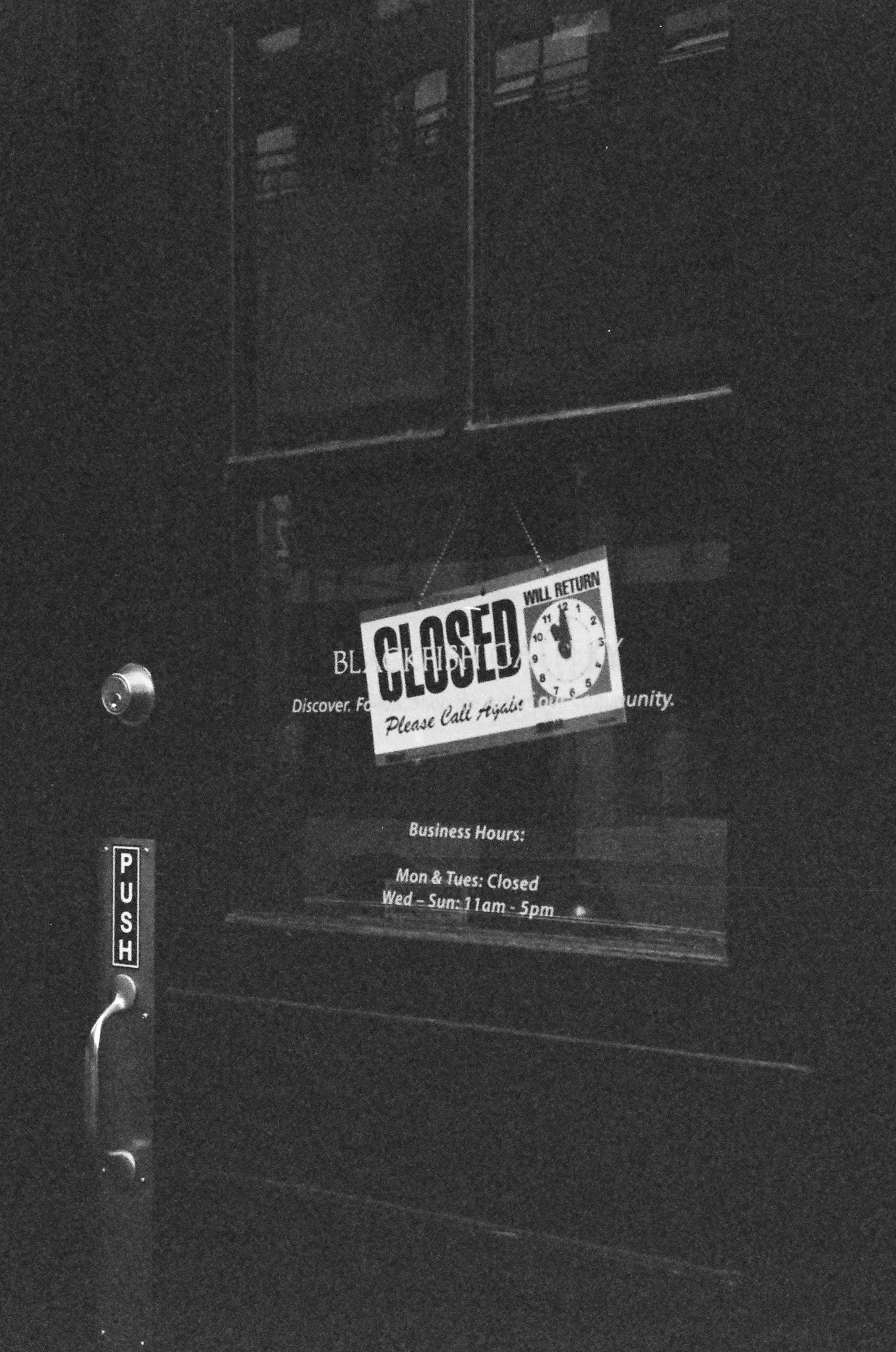
With ski season in full swing, I captured scenes from Whistler, Mount Bachelor, and Mount Hood. I also wandered around Fremont in Seattle and Portland, stopping when something caught my eye. It was an experimental month, working to see a little differently with black and white film and testing how the camera's fixed settings would handle the brilliant glare of the ski slopes versus the moody, overcast city streets. I found that it handled highlights really well, often exposing perfectly, while the flat light scenes fell a little flat.
Black and White with the Kodak Snapic A1
Here are a few things I noticed this month:
Focusing on Pure Tone and Contrast: Stripping away color forces you to see the world entirely in shapes, shadows, and highlights. The simplicity of a camera like the Snapic A1 works beautifully when you stop looking for color and start chasing the light lines.
The Tactile Feel of Monochrome Grain: Black and white film has a beautiful, silver-rich texture that gives simple everyday scenes a dramatic, fine-art weight. The grain itself becomes a key compositional element in the frame.
The Creative Freedom of Simplicity: Working with a camera that doesn't demand endless technical choices allows you to focus 100% on your framing and the story unfolding right in front of your lens.